
The Netflix algorithm insisted that I would this. And who am I to argue with my new AI overlords?
So, I decided to give it a watch. Few recent crime dramas hit as hard or linger as long in the mind as The Mayor of Kingstown. Created by Taylor Sheridan and Hugh Dillon, this Paramount+ series takes the prestige-crime-drama formula and sharpens it into something genuinely distinctive: a bleak, muscular, deeply human study of a town where the prison industry is the only industry, and where power is never clean. If you want television that is tense, morally complex, and unafraid to sit in discomfort, this series more than delivers. If you want to believe in pure good or that cops strictly follow the law, I’d give this a miss lol.
Kingstown, Michigan is a fictional town built almost entirely around its prisons. Jobs, politics, and daily life all orbit the correctional system, and the McLusky family has positioned itself as the unofficial brokers between the incarcerated, the guards, the police, and the various factions vying for control on both sides of the walls. The premise is elegantly simple and endlessly rich: when an entire community’s economy depends on caging people, who really holds the power, and what does it cost to keep that fragile peace intact? The show uses this setup to explore systemic rot without ever feeling like a lecture, instead grounding everything in character and consequence.
At the heart of the series is the McLusky family, a clan whose influence over Kingstown is matched only by the weight of grief and obligation they carry. Mike McLusky operates as a fixer of sorts, a man who has made himself indispensable to the town’s uneasy balance of power by doing the jobs no one else is willing to touch. His mother, Miriam, works from inside the prison system as a counselor, offering a sharply contrasting moral perspective, one rooted in rehabilitation and compassion rather than leverage and control. The dynamic between the McLuskys is the emotional engine of the show, a family bound together by loss and duty, each member negotiating their own uneasy relationship with the system that defines their town. Their scenes together carry real weight, grounding the series’ bigger, more dangerous plotlines in authentic family tension.
Jeremy Renner delivers one of the finest performances of his career as Mike McLusky. He plays Mike with a coiled, weary intensity, a man who has absorbed so much violence and loss that he has turned himself into a kind of human shock absorber for everyone else’s chaos. Renner finds remarkable nuance in a role that could easily have become a one-note tough guy; instead, Mike is thoughtful, exhausted, occasionally tender, and always calculating three moves ahead. The performance carries an authenticity that makes Mike’s impossible balancing act, between gangs, guards, politicians, and his own family, feel believable rather than contrived. It is a performance built on restraint, and it anchors the entire series.
The ensemble surrounding Renner is uniformly excellent. Kyle Chandler, in the show’s early episodes, brings his trademark gravitas and warmth to the role of Mike’s brother Mitch, setting a tone that echoes through the rest of the series. Dianne Wiest is quietly magnificent as Miriam, giving the show its conscience and its most humane throughline. Taylor Handley brings a volatile energy to younger brother Kyle, a sheriff’s deputy caught between loyalty to his family and loyalty to the badge. The supporting players who inhabit the prisons, police precincts, and criminal factions of Kingstown are consistently well drawn, each given enough shading to feel like a real person rather than a plot device. This depth of characterization across the cast is a major reason the show’s world feels so fully realized.
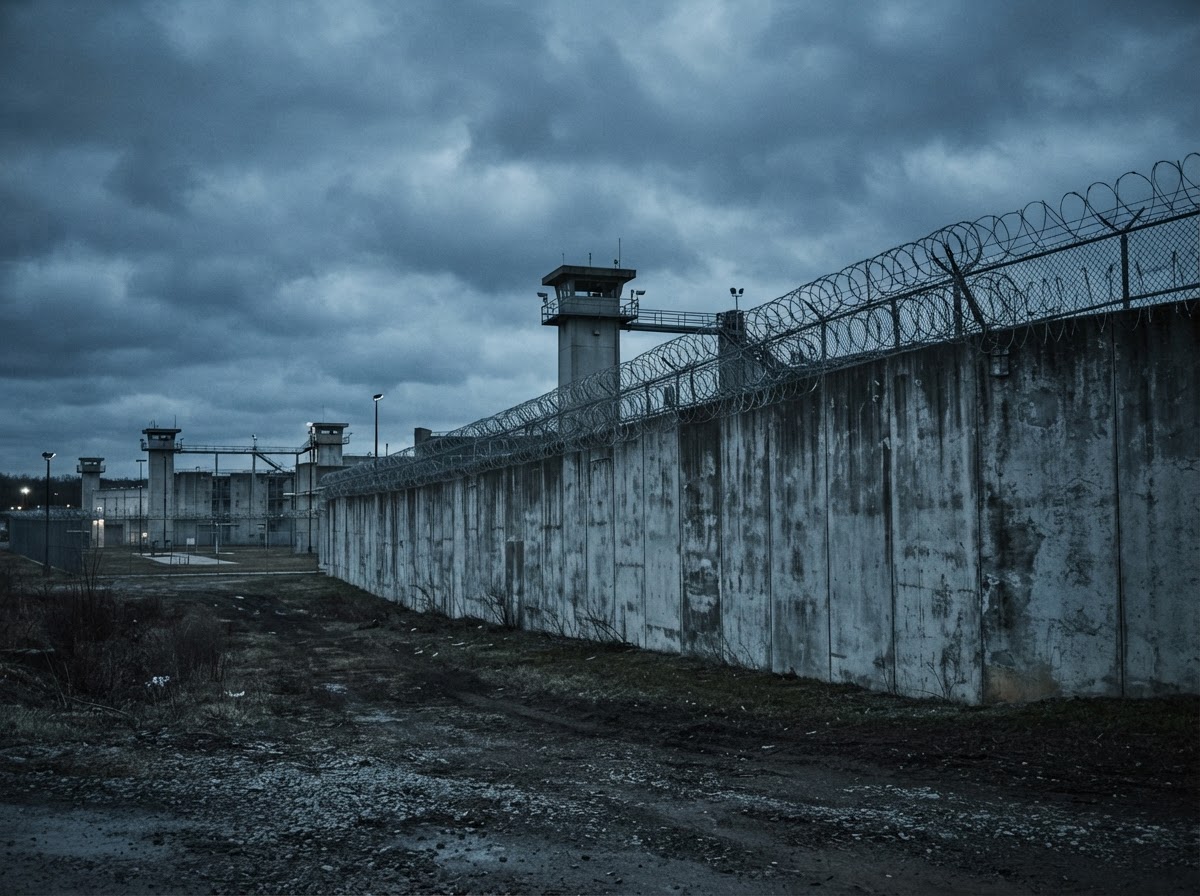
The Mayor of Kingstown is drenched in atmosphere. Its visual palette favors cold grays, steel blues, and washed-out light, a look that mirrors the town’s emotional climate perfectly. Director of photography choices lean into wide, desolate shots of industrial decay and claustrophobic interiors, reinforcing the sense of a community hemmed in on all sides by concrete and routine. The sound design and score add to the tension, often restrained and ominous rather than bombastic, letting silence and stillness do much of the dramatic work. It is a show that understands mood is not decoration but storytelling, and every frame reinforces the sense of a town under constant, quiet pressure.
At its core, the series is an extended meditation on power and who truly wields it in a system built on confinement. Corruption here is rarely cartoonish; it is systemic, embedded in institutions, and perpetuated by people trying to survive within a broken framework. The show interrogates incarceration not as an abstract policy issue but as a lived, generational reality that shapes families and towns for decades. Family loyalty runs through every storyline, often pulling characters into dangerous compromises they would otherwise never consider. Trauma, particularly the lingering effects of war and loss, haunts nearly every major character, explaining choices that might otherwise seem inexplicable. And perhaps most consistently, the series is fascinated by moral compromise, the quiet, incremental decisions that erode a person’s principles in the name of keeping the peace. These themes interlock to create a show that feels thematically rich without ever losing its grip on tense, propulsive storytelling.
What makes The Mayor of Kingstown so compelling is its refusal to offer easy answers. There are no clean heroes or villains here, only people navigating an unforgiving system as best they can. The writing trusts its audience to sit with ambiguity, and the slow-burn plotting rewards patience with payoffs that feel earned rather than manufactured. Combined with Renner’s magnetic lead performance, a uniformly strong cast, and a visual style that never lets you forget the weight of the world these characters inhabit, the series achieves a rare combination of intelligence and raw tension. It is a show that respects its viewers and never talks down to them, which is precisely why it has built such a devoted following.
It’s worth noting that this is a dark, often violent show, and its bleakness is unrelenting by design. Viewers sensitive to graphic violence, prison brutality, or a generally pessimistic view of institutions may find it a difficult watch. This is not a series that offers comfort or easy resolution, and it makes little attempt to lighten its tone. That intensity is part of what gives the show its power, but it is fair warning for anyone looking for something gentler.
The Mayor of Kingstown is a smart, searing, superbly acted crime drama that earns its bleakness through genuine thematic depth and outstanding performances, led by a career-best Jeremy Renner. For fans of serious, morally complex crime thrillers in the vein of prestige dramas that refuse to flinch from hard truths, this series is essential viewing. Highly recommended. Four stars out of five from me.

