
A new Monster series has just been released. I really enjoyed the ones about Dahmer and Ed Gein, so I immediately turned it on. I always make good decisions.
Monster: The Lizzie Borden Story is the most atmospheric, stylish, and emotionally charged entry in Ryan Murphy and Ian Brennan’s Netflix anthology yet — a gothic fever dream that finally gives the franchise a female center of gravity and refuses to treat its subject as a punchline or a nursery rhyme.
variety.comReleased September 17, 2026, this eight-episode season follows Lizzie Borden (Ella Beatty), a repressed daughter in a cruel Fall River household, as she and housemaid Bridget “Maggie” Sullivan (Vicky Krieps) collide with Andrew Borden (Charlie Hunnam) and stepmother Abby (Rebecca Hall). The show uses the 1892 axe murders as raw material rather than a courtroom transcript. That is the point. Monster has always been more interested in myth, desire, and the making of a legend than in a police blotter. Here, that instinct pays off.
Ella Beatty is a revelation. She plays Lizzie not as an obvious monster but as a woman who is hard to pin down: lonely, watchful, simmering with anger she has nowhere to put. You feel the corset, the locked rooms, the humiliation of being treated like property in a house that runs on money and contempt. Beatty never overplays the “future killer” wink. She lets the pressure build until the house itself starts to feel like an accomplice.
The supporting cast is stacked and often delicious. Rebecca Hall commits fully to Abby as a vicious, scene-chewing stepmother — theatrical in the best Murphy tradition and frequently the most entertaining person on screen. Vicky Krieps gives Bridget a sly, destabilizing intelligence; the relationship between maid and daughter is the season’s beating heart, whether you read it as romance, conspiracy, or both. Charlie Hunnam’s Andrew is cold, miserly, and casually cruel, a patriarch who makes the household’s explosion feel inevitable. Billie Lourd, Jessica Barden, and Sarah Paulson (as Aileen Wuornos, in a framing device that links women history branded as monsters across time) add texture and a larger argument about who gets called evil and who gets forgiven.
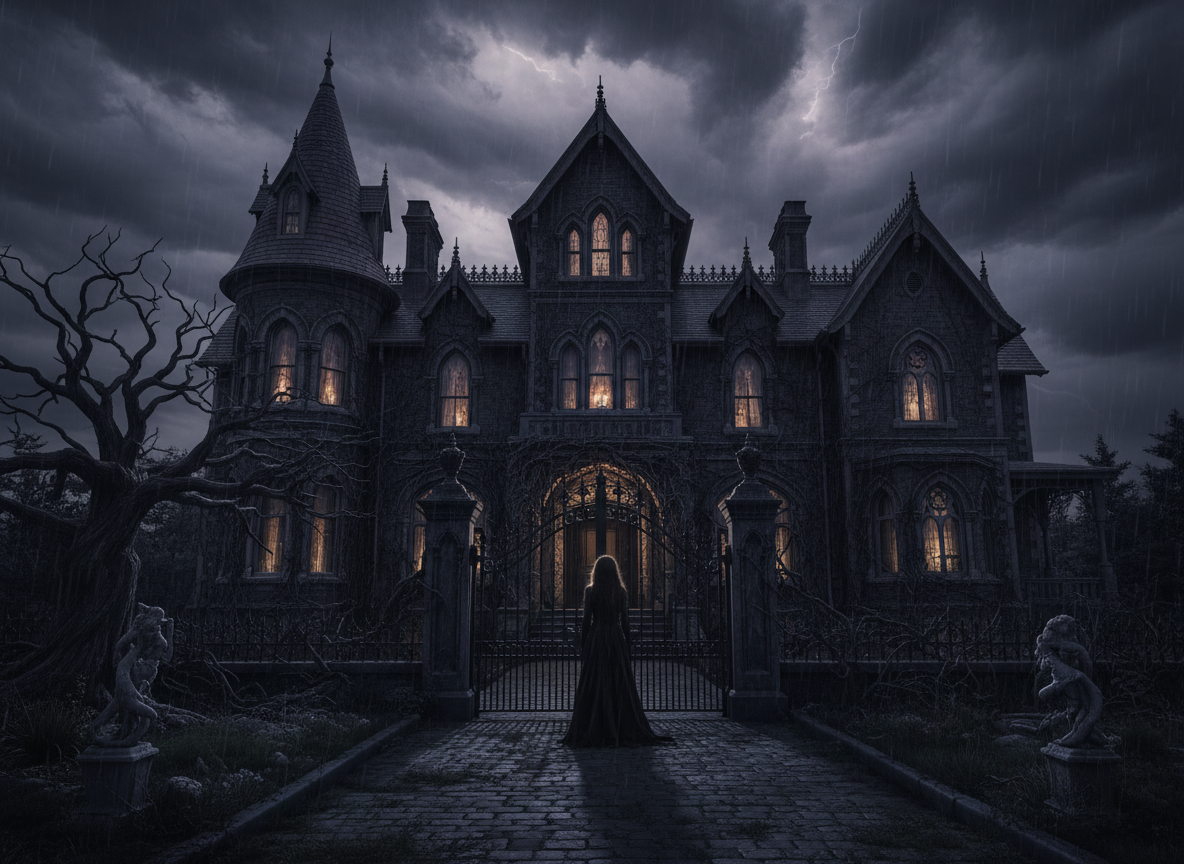
Visually, this is a knockout. The Borden house is rendered as a velvet-lined trap: dark wood, cramped hallways, heat, blood, and a production design that makes Victorian respectability look like a crime scene waiting to happen. The violence is graphic, as the Monster brand demands, but it is also staged with a kind of grim pageantry. When the series leans into camp — and it does — it does so with brio rather than cheapness. Period details, costumes, and the contrast between public piety and private rot give the season a richness earlier installments sometimes lacked.
What makes this season feel like a genuine step forward is its focus. After Dahmer, the Menendez brothers, and Ed Gein, The Lizzie Borden Story is the first Monster chapter built around an alleged female perpetrator, and it uses that shift to talk about female rage, bodily confinement, class, and the thin line between a “difficult woman” and a legend. It is not a documentary. It invents psychology, intimacy, and motive. If you want a careful reconstruction of the 1893 trial, look elsewhere. If you want a lush, angry, operatic portrait of a woman history reduced to forty whacks and forty-one, this is the one.
Fours stars out of five.
 Mark's Writing Corner