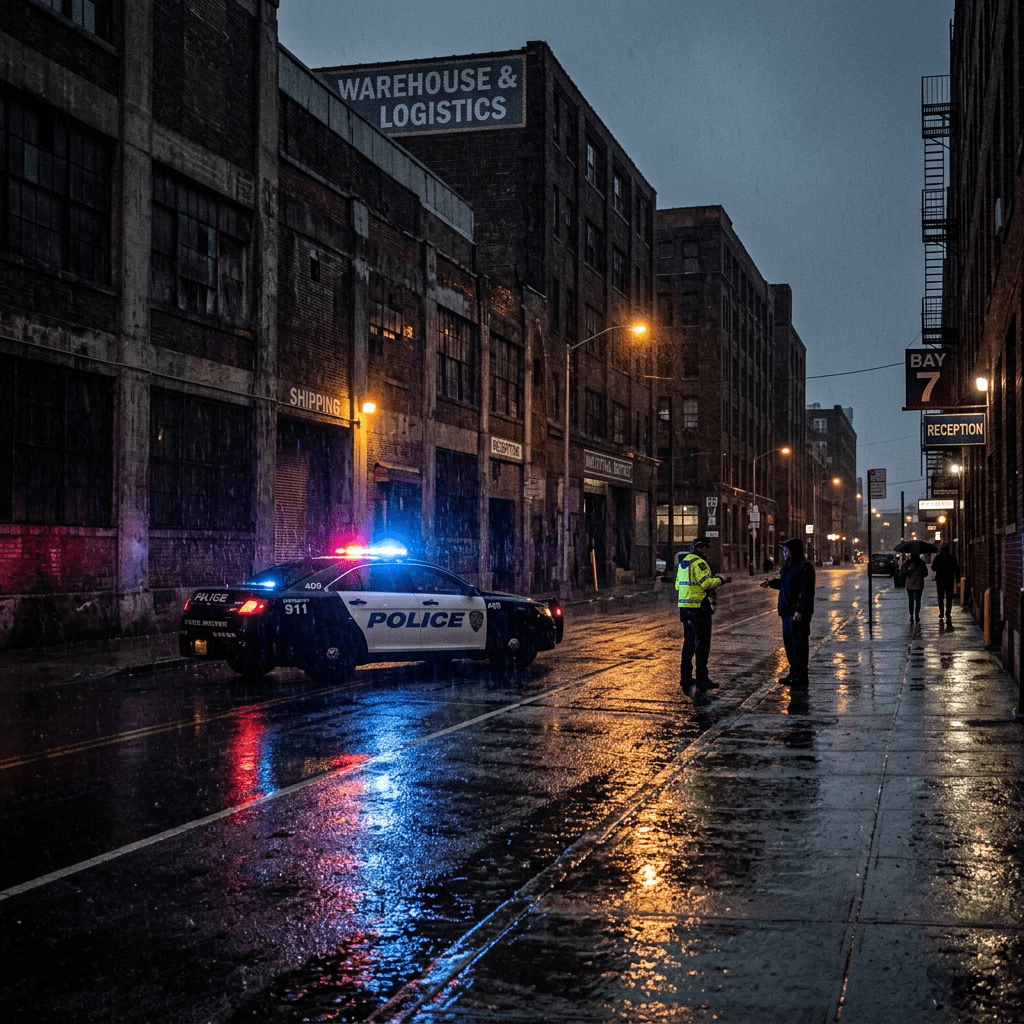
Magnus Carlsen’s Dramatic Face-off: A Netflix Review

Chess pieces on a board with a tornado and lightning storm in the background

My dear readers, as you may all have gathered by now, I love Chess. So when I saw Chess Mates on Netflix, I immediately watched.

It revolves around Magnus Carlsen, the undisputed greatest chess player of his generation, facing off against Hans Niemann, a brash young American talent who rose through online chess during the pandemic boom. What starts as a dramatic over-the-board victory quickly spirals into one of the most bizarre and talked-about controversies in modern sports history.

Magnus Carlson is convinced that the young Hans cheated. The first question that arises is how. They search for devices before each match.

It deals with the Carlsen-Niemann scandal with such intelligence, balance, and cinematic flair that it feels more like a high-stakes thriller than a standard sports doc. From the very first minutes, the film hooks you. It masterfully sets the stage:

The production quality is outstanding. Netflix spared no expense with crisp archival footage, sharp interviews, and smooth pacing that keeps the nearly 75-minute runtime flying by.

The directors weave together player interviews, expert analysis from grandmasters, journalists, and even some of the wild online speculation (yes, including the infamous “anal beads” rumors) without ever feeling exploitative. They let the story breathe while providing real context about the pressures of elite chess, the explosion of online play, and the challenges of proving (or disproving) cheating in a game where engines are stronger than any human.

I was particularly impressed by how even-handed the documentary feels. It gives both sides a voice — Carlsen’s deep frustration and skepticism, Niemann’s defiant personality and claims, and the broader chess community’s divided reactions. No cheap villain-making here; instead, it explores the human elements: ego, genius, paranoia, ambition, and the blurry line between intuition and suspicion at the highest levels.

The talking heads are excellent — thoughtful, articulate, and sometimes refreshingly candid. The way the film builds tension around key games, analyzes critical moments without drowning non-chess players in notation, and examines the aftermath (including the lawsuit and lingering bad blood) is superb. Even if you only have a passing interest in chess, the universal themes of rivalry, trust, and scandal make it incredibly accessible and entertaining.

Overall, I was more inclined to agree with Niemann. Carlson comes across as very smug to me. The fact that Niemann cheated online when he was 16, 17 hardly proves much. Lots of people cheat at that age I’m sure. At leasr he wasn’t on drugs, right.

This gets four out of five stars from me.

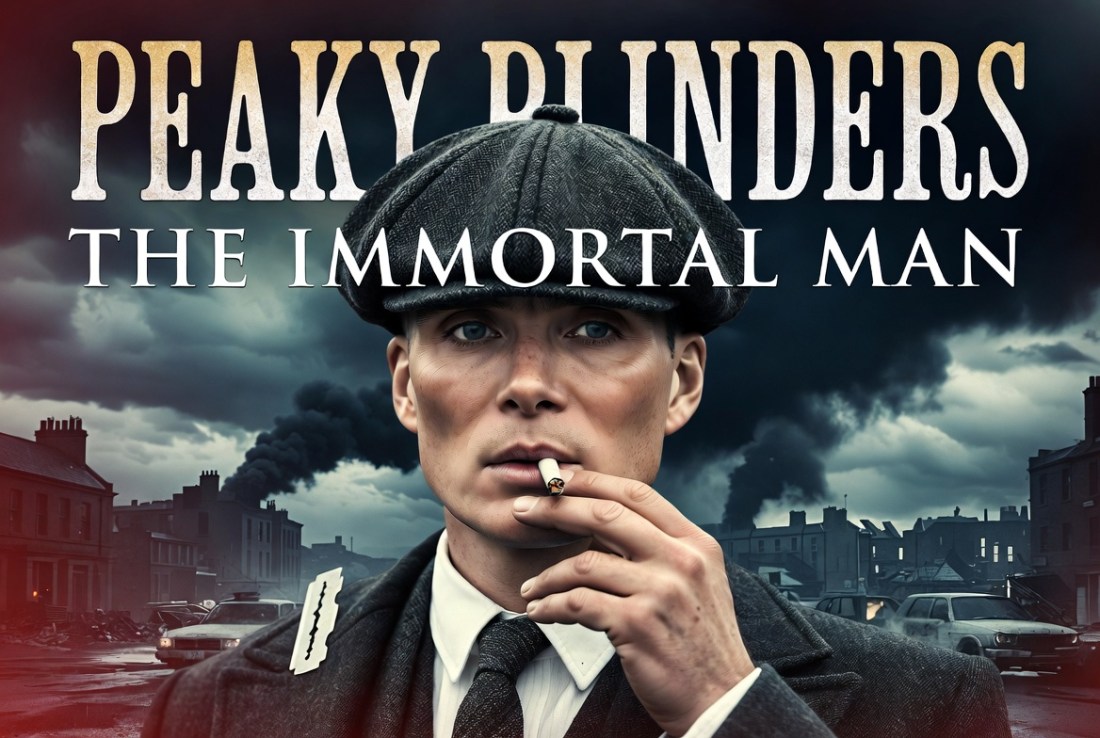
Peaky Blinders: The Immortal Man Review – Cillian Murphy Delivers His Greatest Performance Yet

I still remember seeing Peaky Blinders for the first time. Cillian Murphy, sitting on a majestic horse with a flat cap trotting down a muddy street. It hit with a bang straight away. I’d strongly recommend you watch the series if you haven’t already done so.

Peaky Blinders: The Immortal Man is a 2026 British crime drama film directed by Tom Harper and written by Steven Knight. It is a continuation of the British television series Peaky Blinders (2013–2022), and stars Cillian Murphy alongside an ensemble cast including Sophie Rundle, Ned Dennehy, Packy Lee, Ian Peck, and Stephen Graham reprising their roles, alongside new additions Rebecca Ferguson, Tim Roth, Jay Lycurgo, and Barry Keoghan.

Peaky Blinders: The Immortal Man is gripping, stylish, and emotionally resonant return to the world of Tommy Shelby that feels both like a worthy evolution of the beloved series and a powerful standalone story. .At the heart of it all is Cillian Murphy as Tommy Shelby, delivering what might be his most layered and haunting performance yet. Years after the events of the series, Tommy is in self-imposed exile, a haunted man grappling with his past demons, family fractures, and the weight of his legacy.

When his estranged son becomes entangled in a dangerous Nazi plot amid the Blitz of 1940, Tommy is dragged back to a bombed-out Birmingham. Murphy’s portrayal is mesmerizing—those piercing blue eyes convey volumes of quiet intensity, regret, and unyielding determination. He doesn’t just reprise the role; he deepens it, showing a Tommy who’s older, wearier, but no less formidable.

The title “The Immortal Man” feels earned: Tommy isn’t superhuman, but his spirit, cunning, and refusal to break make him larger than life. Murphy carries the film with effortless charisma, blending vulnerability with that signature Shelby steel. It’s a performance destined for awards consideration and one that cements Tommy as one of modern television-to-film’s greatest anti-heroes.

The supporting cast is stellar across the board. Returning favorites like Sophie Rundle (Ada), Stephen Graham, Packy Lee, and Ned Dennehy slip back into their roles with seamless familiarity, bringing warmth, loyalty, and the raw family dynamics that made the series so addictive. New additions elevate the tension brilliantly: Rebecca Ferguson brings sharp intelligence and complexity to her character, Tim Roth adds a menacing, calculating edge as a formidable antagonist, Barry Keoghan injects unpredictable energy and menace, and Jay Lycurgo makes a strong impression as the younger generation stepping into dangerous shoes. The ensemble crackles with chemistry—whether in tense confrontations, quiet moments of reflection, or explosive action, every interaction feels lived-in and authentic.

What immediately stands out is the film’s atmosphere. It retains the gritty, smoky intensity that defined the original series but enhances it with stunning cinematography and a more expansive visual palette. Every frame feels deliberate, from the shadowy interiors to the sweeping landscapes, creating a sense that this is not just a continuation—but a culmination.

The storytelling is sharp and confident. Rather than relying purely on nostalgia, the narrative pushes forward, exploring themes of legacy, consequence, and identity. It respects the intelligence of its audience, weaving political intrigue with emotional depth in a way that keeps you fully engaged throughout. The pacing is particularly impressive, balancing quiet, introspective moments with bursts of tension and action that feel earned rather than excessive.

isually and atmospherically, the film is impeccable. Tom Harper’s direction captures the smoky, rain-slicked streets of wartime Birmingham with a cinematic grandeur that elevates the TV roots—think sweeping shots of bombed ruins contrasted with intimate, shadowy interiors lit like classic noir. The production design is flawless: period-accurate costumes (those suits and caps!), sets that ooze authenticity, and a color palette of deep blues, grays, and fiery oranges that mirrors the emotional tone. The soundtrack is another standout—blending original score with a killer selection of tracks (including contributions inspired by artists like Nick Cave, Fontaines D.C., and more), it pulses with the same raw, anthemic energy that defined the series. Those slow-motion walks and razor-sharp edits? Pure Peaky perfection.

On a more negative note, there is no Arthur. Arthur was ever present throughout the series, and his contribution is missed. Tommy killed him in a rage many years before leading to Tommy’s mental deterioration at the start of the film.

A must watch, I give it four stars out of five.

Do you agree?

Let me know in the comments.

The Dinosaurs Series Review: A Thrilling Journey into Prehistoric Times

There is something about the T. rex that brings out my inner child. So it was with great excitement that I started watching The Dinosaurs on Netflix.

The Dinosaurs is an American television nature documentary miniseries produced by Amblin Documentaries and Silverback Films. Executive-produced by Steven Spielberg and narrated by Morgan Freeman, the four-part series focuses on the history of dinosaurs from their appearance in the Triassic period until their demise in the Cretaceous–Paleogene extinction event.

First, Morgan Freeman adds so much to the series with his unforgettable accent -ddinossaursss. But it also has so much more to offer.

The Dinosaurs is one of those rare shows that manages to be both wildly entertaining, educational and surprisingly meaningful at the same time. From the very first episode, it pulls you into a colorful prehistoric world that feels playful, imaginative, and full of personality.

What immediately stands out is the show’s charm. The characters are lovable, expressive, and memorable, each bringing a different kind of humor and heart to the story. The family dynamic is especially engaging—full of funny misunderstandings, heartfelt moments, and the kind of everyday situations that viewers of all ages can relate to. Even though the setting is prehistoric, the themes feel very modern and relatable.

The humor is another major strength. The show strikes a balance between slapstick comedy and clever jokes, offering situational humor that appeals to both younger viewers and adults.

The series consists of four episodes: Rise, Fall, Empire, and Fall.

Fall, of course, is the saddest one. Watching all those poor dinos being cooked brought a tear to my eye.

Go on, it’s a good watch. Four stars out of five from me.

Netflix’s War Machine Review: Big Action, Bigger Robot, Great Results

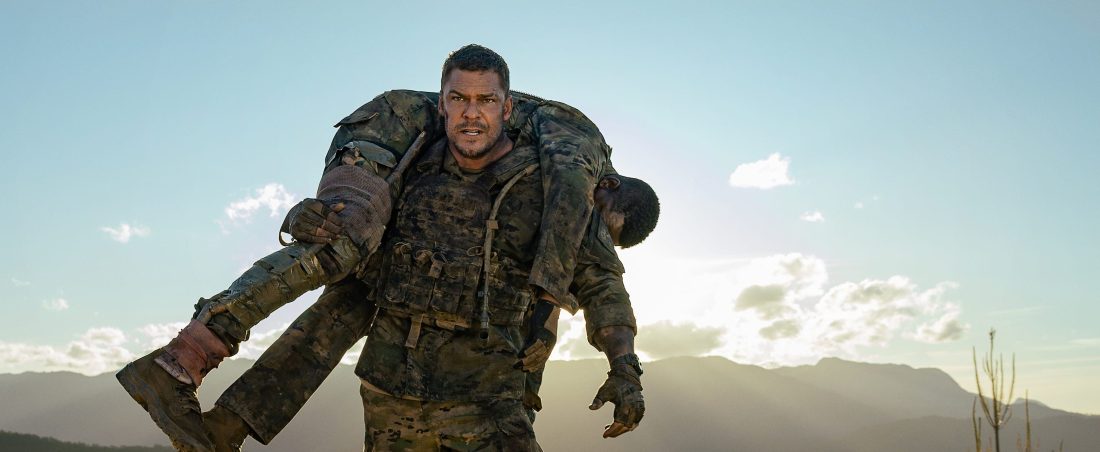
Alan Ritchson as Ranger 81 in War Machine 2026 Netflix film

Ladies and gentlemen, you know how I love a good sci-fi. And a sci-fi with plenty of action is even better. Well, a proper gem has just been released on Netflix!

War Machine is a 2026 science fiction action film directed, co-produced, and co-written by Patrick Hughes. It stars Alan Ritchson, Dennis Quaid, Stephan James, Jai Courtney, Esai Morales, Keiynan Lonsdale and Daniel Webber.

In Afghanistan, an unnamed Staff Sergeant arrives to help his brother’s broken down convoy. His brother tries to convince him that they should apply to become Army Rangers, when they are attacked by Taliban insurgents. Everyone is killed except the Staff Sergeant, who suffers a knee injury. The Staff Sergeant tries to carry his mortally wounded brother back to base but passes out before making it. When he wakes up in the hospital, he learns that his brother had already died, but he is awarded the Silver Star. This is one part of the film where the visuals could have been better. The background was out of focus. The scenery of Afghanistan was worth getting right.

Two years later, the Staff Sergeant attends RASP to join the 75th Ranger Regiment, and is given the candidate number of 81. 81 excels at training but does not bond with his fellow recruits and refuses the role of team leader, despite his record. After he allows himself to nearly drown during an underwater exercise, regiment leaders Sergeant Major Sheridan and First Sergeant Torres question his mental state over his PTSD and insist he step down from the program to recuperate, but 81 refuses. Sheridan and Torres allow him to advance and assign him team leader for the final exercise, a simulated mission in the forest to destroy a classified aircraft and rescue its pilot. Around that time, reports come out of a suspected asteroid revolving around the planet breaking off in pieces.

During the exercise, the team is startled by an unknown blast in the sky, which knocks out communications, and finds a strange looking object by the creek, which the team believes is the classified aircraft. After detonating it with explosives, it remains undamaged and transforms into a walking machine that starts killing the team. Oh yeah baby! I love it.

War Machine (2026) is a high-octane sci-fi action film that delivers exactly what modern action cinema should: relentless tension, striking visuals, and a compelling hero at the center of a desperate fight for survival.

One of the film’s biggest strengths is the commanding presence of Alan Ritchson in the lead role. As the emotionally scarred but resilient soldier 81, he delivers a performance that balances physical power with vulnerability.

Ritchson brings credibility to the character through demanding stunt work and intense physical scenes, many of which were performed practically during filming. It makes it all the more compelling.

Where War Machine truly shines is in its action sequences. Director Patrick Hughes crafts battles that feel raw and immediate, with soldiers navigating forests, rivers, and rugged terrain while being pursued by an unstoppable alien machine.

The film’s use of practical stunts and real explosions adds authenticity rarely seen in streaming action films. Scenes such as rappelling over rapids or underwater endurance tests push the actors physically and create a visceral sense of danger.

My favorite part was the chase between the armored car and the machine. It was edge of the seat stuff.

The robotic antagonist is also a highlight. Its mechanical design and relentless pursuit give the film a thrilling “survival horror” edge, reminiscent of classic sci-fi action films where humans must outsmart a technologically superior enemy.

And the good news is that there are more aliens on the way, so there’s room for a sequel.

Have you seen it? Let me know what you think. Five stars out of five from me.

Shadows on the Road: Tracking the Child Snatcher Through Nine Years of Terror

This documentary may not be everyone’s cup of tea. It tells the story of the hunt for serial killer Robert Black, his four child victims, and their families.

Robert Black (21 April 1947 – 12 January 2016) was a Scottish serial killer and paedophile who was convicted of the kidnap, rape, and murder of four girls aged between 5 and 11 in a series of crimes committed between 1981 and 1986 in the United Kingdom.

Black was convicted of the kidnapping, rape, and murder of Susan Maxwell, Caroline Hogg, and Sarah Harper on 19 May 1994. He was also convicted of the attempted kidnapping of a fourth girl and had earlier been convicted of the kidnapping and sexual assault of a fifth. He was sentenced to life imprisonment, with a recommendation that he serve a minimum of 35 years.

In 2011, Black was further convicted of the 1981 sexual assault and murder of nine-year-old Jennifer Cardy. At the time of his death in 2016, he was regarded as the prime suspect in the 1978 disappearance and murder of 13-year-old Genette Tate. Black may also have been responsible for several other unsolved child murders in Britain, Ireland, and continental Europe between 1969 and 1987.

Manhunt: The Child Snatcher is a gripping and expertly crafted documentary that delivers both emotional depth and investigative intensity. From its opening moments, the film draws viewers into a chilling case, striking a balance between suspense and sensitivity that feels both responsible and compelling.

The investigative angle is particularly strong. The documentary offers insight into the tireless work of law enforcement and the complexities of tracking down a dangerous predator. It highlights the human element behind the badge — the persistence, frustration, and determination involved in pursuing justice. This focus adds depth and authenticity, elevating the film beyond a standard true-crime recounting.

Of particular note, it details how the use of computers, novel at the time, was of great assistance in showing patterns that would be impossible to see otherwise. This was before CCTV took off. They used receipts that the killer had meticulously collected to follow his past movements.

Visually and technically, the production is polished and immersive. The use of atmospheric music, well-edited reenactments, and carefully chosen interview settings creates a somber yet engaging tone. The cinematography reinforces the emotional weight of the story without overpowering it.

Ultimately, Manhunt: The Child Snatcher is more than a crime documentary — it’s a powerful exploration of resilience, community response, and the pursuit of justice. It’s haunting, informative, and deeply affecting, leaving a lasting impression long after the credits roll.

Five stars out of five from me. Be prepared to shed a few tears.

Why You Need to Watch The Rip Right Now!

My dear readers, I have an urgent message for you. Stop whatever you are doing, subscribe to Netflix or a dodgy box, and watch The Rip. Quite simply, it is that good. An easy five stars out of five, and the best gangster type film I’ve seen in years.

The Rip is a 2026 American action thriller film written and directed by Joe Carnahan, who developed the story with Michael McGrale. The film stars Matt Damon and Ben Affleck as police officers within the narcotics unit of the Miami-Dade Police Department. They give stellar performances. It also stars Steven Yeun, Teyana Taylor, Sasha Calle, Catalina Sandino Moreno, Scott Adkins, and Kyle Chandler.

It is inspired by the true story of Miami-Dade County Sheriff Chris Casiano. This film tells the story of a group of police officers who, during a raid on a hidden cash operation, find their trust broken down as team members suspect each other of trying to steal a large sum of cash.

The Rip is a gripping, confidently made film that lingers long after the credits roll. From its opening moments, it establishes a tense, immersive atmosphere and never lets go, pulling the viewer into a story that feels both intimate and unsettling. The film’s greatest strength lies in how controlled and purposeful it is—every scene, every beat, feels intentional.

The performances are a standout across the board. The cast delivers raw, believable work that grounds the film’s more intense moments in genuine emotion. Rather than relying on exaggerated reactions, The Rip allows its characters to unravel in subtle, human ways, making their choices and consequences feel painfully real. This emotional restraint makes the film’s most powerful moments hit even harder.

Visually, The Rip is striking without being showy. The cinematography uses framing, lighting, and movement to reinforce the story’s themes, often communicating more through silence and composition than dialogue ever could. The film has a strong sense of place, and the environment itself becomes part of the storytelling, heightening tension and reinforcing the characters’ inner turmoil.

It is all brought to a well-thought-out and masterful conclusion. No need to thank me. Start Netflixing.

Exploring Guillermo del Toro’s Frankenstein: A Modern Take

Ah, Frankenstein, the epic tale. It almost feels like a myth passed down thousands of years, rather than coming from the presumably seriously twisted mind of Mary Shelley back in 1818.

Now, it’s after getting the Netflix treatment. Frankenstein is a 2025 American Gothic science fiction film produced, written, and directed by Guillermo del Toro. It is a breathtaking reinterpretation of Mary Shelley’s iconic novel—faithful to its emotional core, yet bold enough to stand confidently as its own work.

From the start, the film establishes a chilling, immersive atmosphere that pulls you into a world where life, death, ambition, and heartbreak intertwine. It’s more than just a monster story—it’s a profound exploration of what it means to be human, and the cost of creating something you can’t control.

You see events unfold from two perspectives: the creator and the monster. In a way, they are each other’s mirrors. One is beautiful on the inside, hideous on the outside. The other is the opposite.

The acting is of a high quality. Oscar Isaac as Victor, the creator, and Jacob Elordi as the monster give powerful performances.

Even though it is a long film, many of the minor relationships feel rushed. Victor falling in love with his brother’s fiancée, and the brothers’ relationship misses the mark. The scene where the fiancée professes her love for Frankenstein is nonsensical. I can only presume important scenes were cut.

For that reason, it’s only three stars out of five from me. Read the book, it’s a classic.

Have you seen it? Let me know in the comments.

Review of Death by Lightning on Netflix

Hi readers. I do hope you are all keeping well. I’ve been watching this gem over the last week.

From Wikipedia :

The series depicts the election and presidency of James A. Garfield, the 20th United States President, including his anti-corruption and pro-civil rights stances, as well as how his path crossed with Charles J. Guiteau, a deluded admirer, who ended up shooting him, leading to Garfield’s death.

It states at the start that Garfield and Guiteau had been lost to history. And well, I’d never heard of them.

Visually, the series shines. It really takes you back to the 1880s. I loved the scenes of old New York, although I still had the feeling they were CGI. There’s something about the time period of the late nineteenth/early twentieth century for storytelling.

From the very first episode, the show establishes a distinct identity, depicting an accidental President.

We are also introduced to the troubled Guiteau. Gradually, he is overcome with delusions.

Michael Shannon gives a satisfactory performance, though it can be wooden at times. I think what I like best was the show’s depictions of the time.

The historical record is, in a way, a hindrance, as the show comes to an end just as it was getting going.

For that reason, it gets 3.5 stars out of five.

A Review of Netflix’s ‘Being Eddie’: Insights and Reflections

Anybody within seven or eight years of my age (I’m forty-six) would have fond memories of Eddie Murphy. I still remember seeing Beverly Hills Cop for the first time. A great film that would never have made it without him. It was the first time I saw on-screen a black character who was clearly more intelligent than the white people around him. All the curses stuck out as well.

But what happened to him recently? I haven’t heard his name in an age. I was also interested in what other aspects of his life were like.

That’s why I watched the documentary “Being Eddie” on Netflix a couple of nights ago.

If you are looking for something visceral, raw, then this is not it. Some critics think it’s more like a prelude to him returning to stand-up more than anything else. It retreats from anything awkward/contentious. He comes across as a family man and reminisces about voicing the donkey in Shrek. There is nothing about the paternity suit with Mel B, for example. He has ten children. Musk would be proud.

The best part is when it just lets him speak. I found his tendency towards OCD intriguing. Great minds appear to have a likelihood for such things, and I doubt it’s a coincidence.

He also brings up that he has never won an Oscar, despite his great performances and sometimes playing multiple characters in the same film. I wouldn’t worry about it if I were him; their value has greatly diminished over the years.

The interviews with other comedy legends, Dave Chappelle, Chris Rock, Jerry Seinfeld, Kevin Hart, and more, show what a powerful influence he was on the industry. They all say nice things. What a pity!

I give it three stars out of five. It’ll make you feel warm. Just don’t expect anything beyond the bland, though.

Have you seen it? Let me know what you think.

Netflix’s The Last Czars: Drama, History, and Flawed Royals

Well, let’s face it. Russia is fairly topical at the moment. But how did we get here? Well, any story about Russia has to include the Romanovs, who ruled for 300 years. The Last Czars is an ambitious attempt by Netflix to blend historical documentary with dramatized storytelling, chronicling their downfall —and the rise of the Bolsheviks. The result is an intriguing, visually lavish production that succeeds in moments but often struggles to find its identity.

The lavish costumes, ornate set designs, and snowy Russian landscapes evoke the grandeur—and isolation—of the Romanov dynasty. The performances, especially Robert Jack as Tsar Nicholas II and Susanna Herbert as Alexandra, bring depth to historical figures often seen as symbols rather than people. And rather flawed people they turn out to be.

At times, I felt sympathetic to their plight as their Empire collapsed around them. Other times, not so much as they make one poor decision after another. The Bolsheviks shouldn’t have shot the children, but Nicholas II and Alexandra cared little for the ordinary Russian. It reminds me of someone, I can’t quite put my finger on it.

The most interesting character is, of course, Rasputin. He is someone I have always been interested in. A religious man. God saves sinners; therefore, it is important to sin. Only then can you ask for forgiveness. He tries his best to drink and to make love to as many women as possible. God bless, he loves his God. The Romanovs fall under his spell, a sick son creating a wedge between them and their people (well, she’s German, it’s complicated).

The inclusion of documentary-style narration and expert interviews gives the viewer valuable historical grounding. However, this same hybrid format is also the show’s greatest weakness. The constant switching between drama and documentary can feel jarring, breaking immersion and undercutting any attachment to what is happening.

Personally, I found it a bit of a struggle to keep watching. Three stars out of five for me. If you’re committed to hours of TV every day, give it a try. If time is precious, there is much better out there.

But let me know what you think? Have you seen it?