
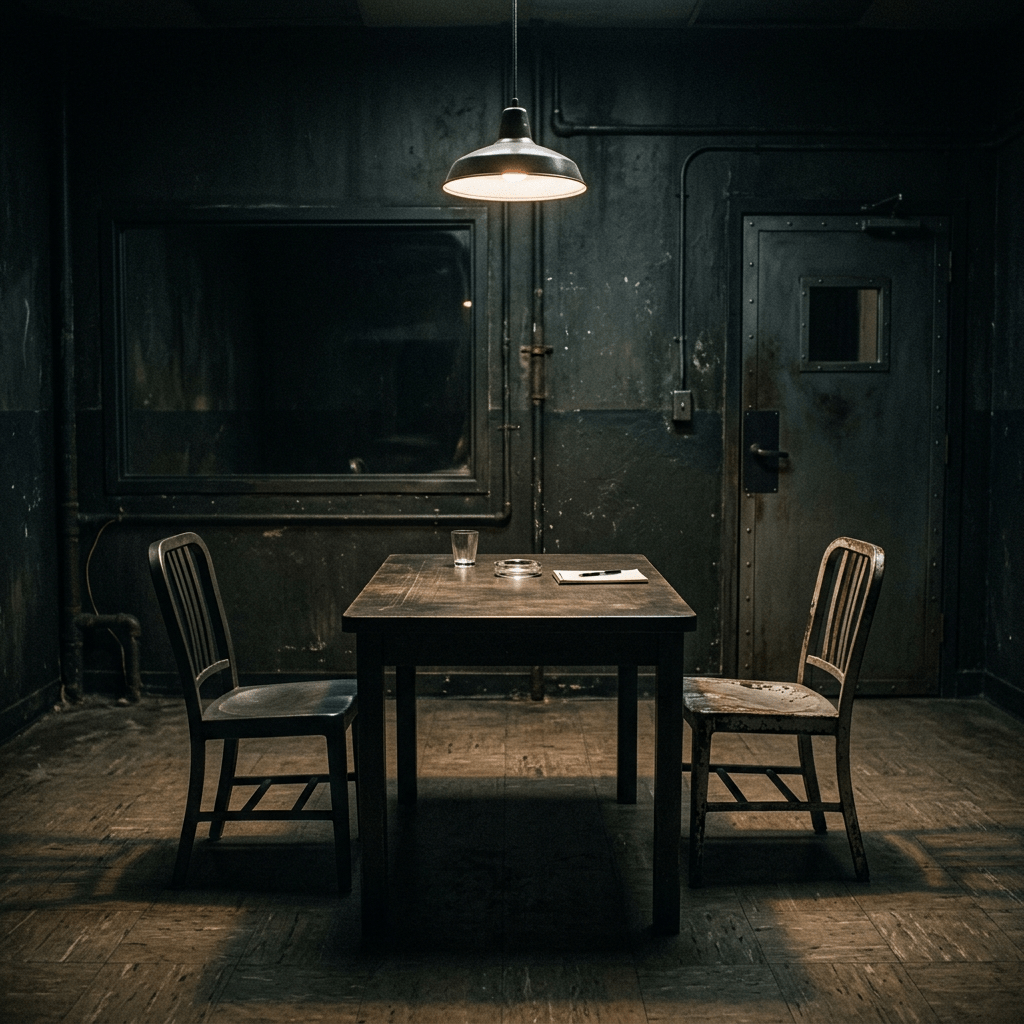
My dear readers, this is obviously not for the faint-hearted. So, I just had to watch.
Conversations with a Killer: The Charles Manson Tapes (often referred to simply as The Manson Tapes) is a gripping, meticulously crafted three-part Netflix docuseries that stands as a strong and fitting finale to Joe Berlinger’s long-running true-crime anthology. Released in August 2026, it draws on previously unreleased prison phone calls made by Charles Manson in his later years, combined with archival footage, contemporary interviews with former Manson Family members and law enforcement, and carefully selected period material to deliver a chilling yet insightful examination of one of the 20th century’s most infamous cases.
What elevates this entry is its focus on the systems of manipulation and control Manson built rather than simply recycling the well-worn mythology. The unreleased recordings give viewers direct access to Manson’s voice and personality in a way that feels immediate and unsettling—his chameleon-like ability to shift personas, his self-justifications, and the lingering charisma that once drew in followers come through without heavy-handed narration. It also briefly deals with how he learned some of his techniques. For instance, the book “How to make friends and Influence People is referenced. Hearing those calls alongside accounts from people who lived through the era creates a layered portrait of how a small-time criminal leveraged the disillusionment of the late-1960s counterculture to assemble a devoted group.
The three episodes are tightly structured and effectively paced. The first traces Manson’s background and the formation of the Family at the height of the hippie movement, showing how promises of love, acceptance, and freedom became tools of psychological dominance. The second examines the escalation to the 1969 Tate-LaBianca murders, exploring the delusions and dynamics that turned followers into killers while providing context that challenges some of the more sensationalized popular narratives. What really comes across is how much Manson was a tool of his own destruction. The third covers the trial and its media circus, illustrating how Manson and the Family turned the courtroom into a grotesque spectacle that cemented their place in cultural memory. Archival voice recordings of key figures such as Tex Watson, Susan Atkins, and Leslie Van Houten, paired with reflections from survivors of that world, add emotional weight and human detail.
Berlinger’s direction maintains the series’ signature strengths: a restrained use of reenactments where needed, strong visual storytelling through archival material, and an emphasis on letting the subjects’ own words drive the narrative. The result is both riveting and ominous—true crime at its most inquisitive. It doesn’t shy away from the horror of the crimes or the media frenzy that followed, yet it succeeds in examining the mechanisms of influence and the cultural moment that allowed them to take root. Viewers familiar with the case will appreciate the fresh audio and the effort to center those who experienced the events firsthand; newcomers will find a clear, compelling introduction that avoids pure sensationalism.
As the concluding chapter in the Conversations with a Killer lineup (following the Bundy, Gacy, Dahmer, and Son of Sam installments), The Charles Manson Tapes feels purposeful. It uses newly available material to dig into themes of control, myth-making, and the enduring fascination with this particular chapter of American crime history. The series is TV-MA for good reason—its content is dark and disturbing—but for fans of thoughtful true-crime documentaries, it offers a substantial, well-produced watch that rewards attention across its roughly three hours. If you’re looking for a detailed, tape-driven exploration of Manson’s rise, the murders, and their aftermath, this is a strong recommendation and a memorable close to Berlinger’s anthology. Four stars out of five from me.

