The Last House: A Thrilling Sci-Fi Survival Story

Narrow worn hallway with carpet and several open wooden doors

I do love my sci-fi so the Netflix algorithm suggested I watch this. And who am I to argue on a Saturday afternoon?

The Last House is a gripping, emotionally resonant sci-fi survival thriller that turns an ordinary suburban home into the ultimate pressure cooker of human resilience, ingenuity, and love.I wonder will anything so exciting ever happen in my own life.

Directed by Louis Leterrier with a sharp screenplay by Matthew Robinson, the film follows the Delgado family—engineer Jason (Wagner Moura), his wife Ann (Greta Lee), and their two children—as a sudden, unnatural storm seals them inside their Seattle house with no way out. A new phenomenon for preppers everywhere to worry about.

What begins as a baffling lockdown quickly evolves into a multi-year ordeal of dwindling resources, mounting isolation, and an enigmatic external threat. The premise is simple yet potent, and the movie executes it with escalating tension that feels both intimate and apocalyptic.

Greta Lee and Wagner Moura deliver outstanding, grounded performances that anchor every scene. Moura brings quiet intensity and resourceful determination as a father who channels his engineering skills into creative survival tactics, while Lee radiates strength, maternal protectiveness, and quiet vulnerability as the family’s emotional center. Their chemistry feels authentic and lived-in; watching them navigate fear, frustration, and fierce protectiveness makes the stakes feel deeply personal. The young actors portraying the children are equally impressive across the time jumps, conveying growth, adaptation, and the pure bond of family under extreme pressure. These performances elevate the material into something genuinely affecting rather than purely conceptual.

Leterrier crafts a masterfully claustrophobic atmosphere. The house itself becomes a character—initially a sanctuary, then a prison, and eventually a hard-won fortress of improvisation. Practical ingenuity (ingenious trapping methods, indoor cultivation, water collection) provides satisfying problem-solving moments that reward the characters’ resourcefulness without feeling like empty spectacle. The sound design and cinematography amplify the sense of dread and confinement: relentless rain, shadows moving outside, and the gradual transformation of familiar domestic spaces into something alien and hard-won. When the story expands in scope later, the visual effects and world-building feel purposeful and thematically rich rather than overwhelming.

Beyond the thrills, The Last House explores meaningful themes of family unity, adaptation, mercy, and humanity’s place in a changing world. It balances suspense with quieter, human moments of connection, play, and perseverance that make the characters’ endurance feel earned and hopeful. The film’s environmental and existential undertones add depth without becoming preachy, leaving viewers with a lingering sense of wonder and reflection.

At roughly 1 hour 50 minutes, the pacing sustains engagement through escalating challenges and emotional payoffs. It succeeds as both a tense chamber piece and a larger-scale speculative adventure, offering the kind of smart, character-driven entertainment that stands out on Netflix. Strong direction, exceptional lead performances, inventive survival details, and a premise that sticks with you long after the credits make The Last House a highly rewarding watch—one that celebrates the extraordinary strength found in ordinary people when the world outside changes forever. Highly recommended for fans of thoughtful sci-fi thrillers and powerful family dramas. Four stars out of five from me.

Kevin Hart Shines in 72 Hours Comedy

People dancing and celebrating at a rooftop party with city skyline and sunset in the background

Netflix recommended this film after the Kevin Hart. I was in the mood for a laugh so happy days!

72 Hours is a high-energy, laugh-out-loud ride that perfectly captures the chaos of generational culture clash while delivering pure escapist fun. Directed by Tim Story and led by Kevin Hart as Joe, a 40-year-old advertising executive whose career is on the ropes, the film starts with a brilliantly simple and relatable premise: Joe is accidentally added to a group chat of twenty-somethings planning a wild Miami bachelor party.

Seeing a golden opportunity to reconnect with youth culture (and save his job with a vodka campaign pitch), he impulsively joins the strangers for 72 hours of pure mayhem.What follows is a nonstop whirlwind of parties, misunderstandings, escalating stakes, and genuine heart.

Hart is in peak form—energetic, self-deprecating, and endlessly watchable as the older guy desperately trying to keep up with the younger crew. His physical comedy and rapid-fire delivery shine, especially in the escalating situations that force him way outside his comfort zone.

The younger cast, including Marcello Hernández, Mason Gooding, Kam Patterson, and Ben Marshall, bring fresh, sharp energy and excellent chemistry. Their interactions with Hart crackle with authentic generational friction that’s played for both big laughs and surprising warmth.

The Miami setting is vibrant and sun-soaked, full of colorful locations, yacht parties, nightlife, and the kind of larger-than-life set pieces that make this feel like a modern hangover-style adventure with its own distinct personality. The script (from writers including Jon Hurwitz and Hayden Schlossberg) balances broad, raunchy comedy with moments of real insight about ambition, relationships, commitment, and what it means to stay relevant without losing yourself.

Supporting turns from Teyana Taylor and others ground the story emotionally, while cameos and side characters add extra layers of hilarity.Story keeps the pacing tight and the tone breezy. Even when the plot piles on complications (gangsters, mistaken identities, and wild party hijinks), it never loses the sense of fun or the central character journey. Joe’s arc feels earned—his desperate attempts to “get” Gen Z ultimately force him to confront his own life choices, and the payoff is both satisfying and genuinely funny.

At its best, 72 Hours is pure crowd-pleasing entertainment: loud, colorful, frequently hilarious, and surprisingly touching. It’s the kind of movie you watch with friends, quote afterward, and immediately want to rewatch for the best bits. Kevin Hart and the ensemble make the most of every chaotic second, delivering a feel-good comedy that understands both the absurdity of midlife panic and the joy of letting loose.

If you’re looking for a breezy, high-spirited Netflix comedy that celebrates the messiness of life across generations, this one delivers in spades. Highly recommended for anyone who wants to laugh, escape, and maybe reflect a little while having a great time. Four stars from me.

The Ultimate Roast: Kevin Hart’s Unforgettable Netflix Comedy Special

Comedian performing on stage with microphone in front of audience

There was a time when I thought Americans were unnaturally courteous and would never slag one another. This is obviously long before Donald Trump. When I watched my first roast, I got a real shock.

They were so mean to each other!

So when I saw who was being roasted this time, I knew I had to watch.

The Roast of Kevin Hart is a chaotic, star-studded, no-holds-barred comedy spectacle that delivers nonstop laughs, surprise appearances, and pure entertainment value as a live Netflix event.

Streamed live on May 10, 2026, from the Kia Forum in Los Angeles as the closing night of Netflix Is a Joke Fest, this nearly three-hour special puts comedy powerhouse Kevin Hart squarely in the hot seat.

Hosted by Shane Gillis with the reliable presence of Roastmaster General Jeff Ross, it assembles a stacked dais of comedians, athletes, actors, and musicians who unload relentlessly on Hart’s height, movie career, personal life, endorsements, and more—while turning the heat on each other just as fiercely.

The result is loud, wildly offensive in the classic roast tradition, and frequently hilarious.What elevates the night is the pure energy and unpredictability. Tom Brady opens by getting his revenge for Hart’s earlier roasting of him, presenting a tiny “newborn-size” Knicks jersey and landing sharp barbs about Hart’s filmography and past.

Usher performs a customized, roasting take on “Let It Burn.” The roster includes Chelsea Handler, Lizzo, Pete Davidson, Draymond Green, Big Jay Oakerson, Tony Hinchcliffe, Regina Hall, and others, with crowd-pleasing surprise turns from Teyana Taylor, Venus and Serena Williams, Katt Williams, and especially Dwayne “The Rock” Johnson.Standout moments abound.

It is definitely not for the easily offended. Even I found some comments about Chelses Handler and abortions, somewhat distasteful to say the least. Nothing is held back.

Sheryl Underwood delivers one of the night’s strongest sets—raunchy, unfiltered, and packed with sharp crowd work and comebacks that earn a genuine standing ovation and reset the room’s energy. Tony Hinchcliffe and Pete Davidson also land hard with strong material. The Rock’s entrance is pure spectacle: lasers, pyrotechnics, “We Will Rock You,” and the booming declaration “Finally… daddy’s home,” followed by a committed, raunchy set that fully embraces the chaos.

Katt Williams’ appearance adds extra electricity; the long-running tension gets addressed onstage in a way that feels like a genuine (if still jab-filled) moment of reconciliation amid the insults.Hart himself is the perfect roastee. He takes the barrage with energy, laughter, feigned outrage, and resilience, leaning into the self-aware humor that has defined his career.

By the end he fires back effectively, celebrates the night, and even brings out Meek Mill for a high-energy performance, turning the event into both a brutal takedown and a larger-than-life celebration of his status in comedy and entertainment.The production feels big and live: a packed house (with notable audience faces), strong pacing once it hits its stride, and the kind of crossfire between political and personal jabs that keeps the room (and viewers) engaged.

While some jokes recycle familiar targets and the runtime is generous, the highlights—the surprise guests, Underwood’s dominance, the Rock’s arrival, the best punchlines, and the overall celebrity pile-on—make it one of Netflix’s most entertaining live comedy events. It’s raw, ruthless, and frequently very funny, exactly what a modern roast should be when done with this much star power and commitment.

If you enjoy the classic roast format, big celebrity chaos, and unapologetic comedy, The Roast of Kevin Hart is a highly entertaining watch.

Four stars out of five from me.

Fukushima: Heroic Stories from the Nuclear Disaster

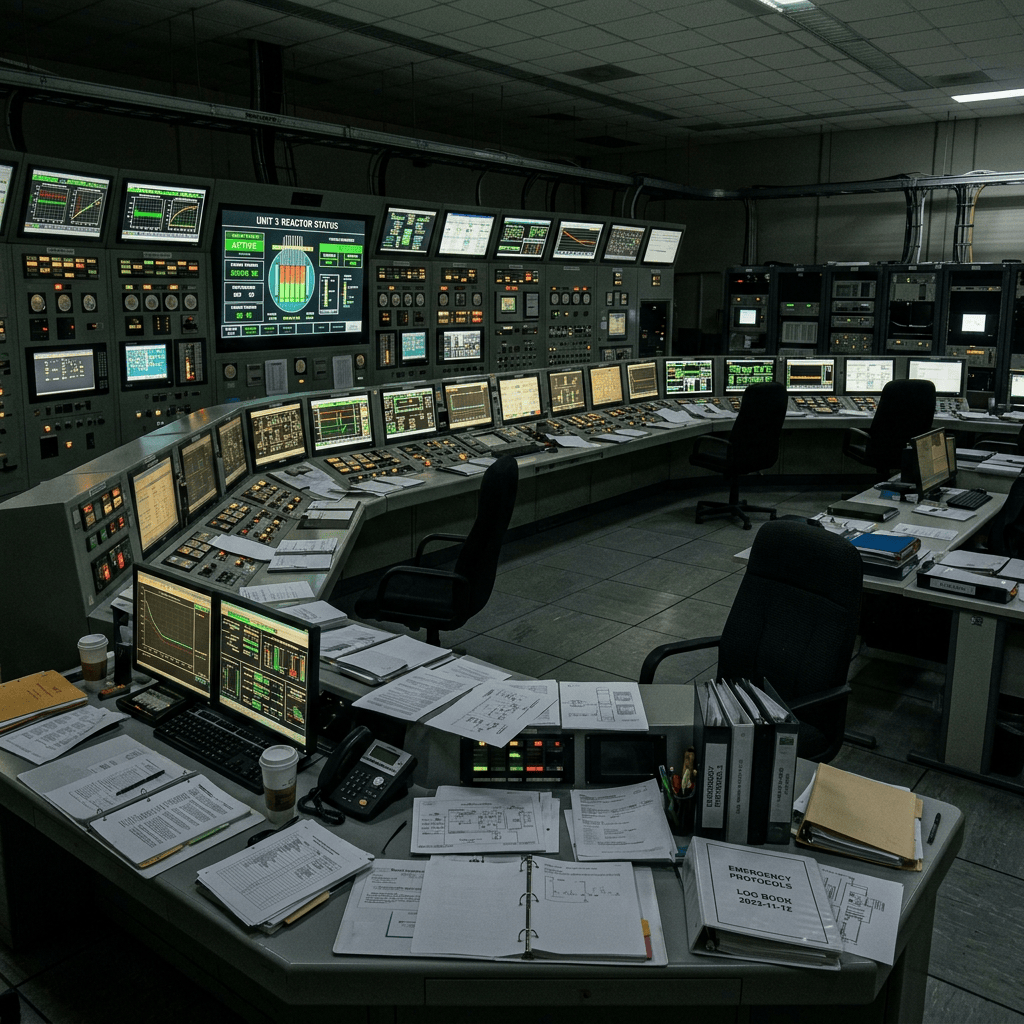
Control room with numerous monitors and panels showing nuclear reactor status and data

My dear readers, if you are someone who suffers from anxiety, then best to give this a miss. On the other hand if you love learning about disasters, then this is a show for you.

Fukushima: A Nuclear Nightmare is a gripping, meticulously crafted HBO documentary that stands as one of the most compelling and human accounts of the 2011 triple disaster in Japan.

Directed by James Jones (known for Chernobyl: The Lost Tapes) and co-directed by Megumi Inman, this 90-minute film reconstructs the nine harrowing days after the March 11, 2011 magnitude-9.0 earthquake and tsunami disabled the cooling systems at the Fukushima Daiichi nuclear power plant.

It centers the extraordinary courage of the plant workers—later known as the “Fukushima 50” (there were more than 50) — who stayed behind on what many understood could be a suicide mission to prevent a total meltdown that threatened to force the evacuation of Tokyo and potentially endanger the entire country. There was a fear that half the country would be rendered uninhabitable at one point.

What makes the documentary exceptional is its forensic, real-time approach. It weaves powerful archival footage of the earthquake’s chaos, the towering tsunami that erased coastal towns, and the subsequent hydrogen explosions at the plant with candid, first-hand testimonies from control-room engineers, government advisors, TEPCO officials, emergency workers, consultants, and journalists. It is shocking to see the huge waves crashing into the coast causing utter devastation. These interviews convey the mounting pressure, isolation, fear, and resolve inside the darkened, radiation-filled facility.

Viewers feel the tension as systems failed one after another and leaders confronted the unthinkable. The personal accounts—especially from mid-level engineers and the workers who entered the reactors—lend an intimacy and emotional weight that elevate the film far beyond a standard disaster recap.

The filmmaking is taut and respectful. Jones and Inman avoid sensationalism while never soft-pedaling the scale of the crisis or the very real possibility of catastrophe. The editing keeps the narrative propulsive, the archival material is used with precision, and the focus on ordinary people rising to extraordinary circumstances gives the story its heart.

Moments of quiet reflection from the participants underscore both the human cost and the quiet heroism that averted an even greater tragedy.Fifteen years after the events, Fukushima: A Nuclear Nightmare feels urgent and necessary.

It honors the resilience and sacrifice of those who stayed when others could not, while offering a clear-eyed reminder of both the power of nature and the critical importance of preparedness and human resolve. It is essential viewing—tense, moving, and ultimately inspiring. Five stars out of five from me.

My Grandfather: Charles Manson Hits the Spot

Corridor with numbered rusty barred prison cell doors and peeling walls

It was my pleasure to watch this documentary on Netflix, about a week. It is definitely not for the faint-hearted.

My Grandfather Charles Manson is a raw, intimate, and unexpectedly compelling documentary that turns a shocking personal discovery into a thoughtful exploration of identity, family, and the weight of inherited history.

Directed by Sophia Maddox, the film follows her journey after a genealogy test reveals that her unknown grandfather was Charles Manson. Rather than sensationalizing the connection, the documentary stays grounded in the human cost: the emotional upheaval it causes for Sophia and her father, the quiet reckoning with resemblance and legacy, and the difficult process of separating one’s own life from a notorious name.

The result is a personal story that feels honest and unguarded. What stands out is the film’s emotional authenticity. Maddox does not shy away from vulnerability; her on-camera reflections and conversations with her father capture the confusion, grief, and determination that come with such a revelation.

An important question she poses is whether some of the evil has been passed onto her. That it is in her nature. Here, we learn more about Manson’s life and his horrendous time in an industrial school where he was regularly beaten and raped. There can be no doubt that this would have affected his personality for the worse. She also has her personality traits compared with Manson by a psychologist.

The relationship between father and daughter becomes the heart of the piece—strained at times, yet ultimately marked by a desire to understand each other better. Their interactions give the documentary a lived-in quality that elevates it beyond typical true-crime fare.

Visually and structurally, the film is understated and effective. Home footage, family photos, and carefully chosen archival material are woven together without excess. The pacing allows space for reflection, and the focus remains on the present-day impact rather than rehashing well-known historical events.

This restraint strengthens the documentary’s po

wer: it trusts the audience to bring their own knowledge while centering the very real people living with the aftermath. By the end, My Grandfather Charles Manson leaves a lasting impression as a study of resilience and self-definition. It shows how one person chooses to confront an uncomfortable truth, process it openly, and still claim agency over her own story.

Four stars out of five from me.
Why Goodfellas is a Timeless Crime Classic

Vintage revolver, playing cards, poker chips, and vinyl records on a wooden table with city skyline at night

I was recently flicking through the TV when I came across this film. It’s up there with my favorite films of all time and I recommend you watch it if you have not already done so.

Goodfellas is a masterclass in filmmaking—a relentless, exhilarating, and brilliantly crafted immersion into the seductive, brutal world of organized crime that remains one of the greatest American movies ever made.Martin Scorsese’s 1990 adaptation of Nicholas Pileggi’s nonfiction book Wiseguy follows the rise and eventual unraveling of Henry Hill (Ray Liotta), a half-Irish, half-Sicilian kid from Brooklyn who grows up idolizing the local mobsters and eventually becomes one of them. From the opening freeze-frame and that iconic line—“As far back as I can remember, I always wanted to be a gangster”—the film announces its confidence and energy. It never lets up.

What elevates Goodfellas above almost every other crime film is Scorsese’s electrifying direction and the seamless collaboration with editor Thelma Schoonmaker. The camera is constantly alive: tracking shots that glide through the Copacabana in a single unbroken take, freeze-frames that punctuate Henry’s narration, and rapid-fire cuts that mirror the characters’ high-wire lifestyle. The famous long take through the back entrance of the nightclub is pure cinematic joy—glamour, status, and danger all distilled into one fluid movement. The film’s pacing is propulsive yet precise, shifting from exhilarating highs of easy money and loyalty to the paranoid freefall of the later years without ever losing the audience.

The performances are uniformly outstanding. Ray Liotta gives Henry Hill a magnetic everyman quality; you understand exactly why the life pulls him in even as you watch it corrode everything around him. Robert De Niro’s Jimmy Conway is cool, calculating, and quietly terrifying—a masterclass in restrained menace. Joe Pesci’s Tommy DeVito is unforgettable: volatile, hilarious, and explosively violent in equal measure. His “Funny how?” scene remains one of the most perfectly calibrated moments of tension and dark comedy in cinema. Lorraine Bracco brings real emotional weight as Karen Hill, grounding the story in the personal costs of this lifestyle, while Paul Sorvino’s Paulie Cicero radiates quiet authority and paternal menace.

The screenplay, co-written by Scorsese and Pileggi, is razor-sharp. The voice-over narration feels conversational and confessional rather than explanatory, pulling the viewer into Henry’s perspective so completely that the moral compromises register as almost inevitable. The dialogue crackles with authenticity—streetwise, funny, and often casually cruel. Scorsese never romanticizes the violence, but he also refuses to look away from the intoxicating pull of power, money, and belonging that the life offers.

The soundtrack is legendary. Scorsese’s needle-drops—ranging from Tony Bennett and Cream to the Rolling Stones and Sid Vicious—function almost as additional characters, underscoring mood, era, and emotional undercurrents with uncanny precision. Combined with Michael Ballhaus’s rich cinematography and the meticulous period detail, the film feels fully lived-in and alive.

Goodfellas is more than a crime story; it is a study of ambition, loyalty, betrayal, and the American Dream twisted into something dangerous and irresistible. It captures the intoxicating rush of the early days and the inevitable decay that follows with equal clarity and style. Three decades on, it still feels fresh, urgent, and unmatched in its energy and craftsmanship.

Five stars out of five.

A few years ago, there was a documentary about what happened to Nicholas Pilegg after the film ended. He ended up going back to the life while in witness protection. What a legend.

Mortal Kombat II (2026) Review: A Nostalgic Action Sequel

Two samurai fighting with swords in ancient ruins with sparks flying at sunset

The Mortal Kombat franchise always brings warm memories to the fore of when I was much younger, It was too difficult for my hands to use the controller but my friends and brothers did. They all got so animated at times. So, there was a touch of nostalgia when I flicked onto the latest film in the franchise.

Mortal Kombat II (2026) is a gleefully brutal, crowd-pleasing sequel that delivers exactly what fans of the franchise want: spectacular fight choreography, over-the-top fatalities, self-aware humor, and deeper dives into the lore.

Directed once again by Simon McQuoid, this high-stakes martial arts fantasy picks up after the events of the 2021 reboot and throws the Earthrealm champions into an even more intense confrontation with Outworld’s forces under the tyrannical Shao Kahn.

The addition of Karl Urban as the cocky, washed-up action star Johnny Cage is a perfect fit—he brings charisma, comic timing, and genuine presence that elevates every scene he’s in. Returning favorites like Jessica McNamee, Josh Lawson, Ludi Lin, and others get expanded roles and memorable moments, while newcomers such as Adeline Rudolph as Kitana add fresh energy and emotional stakes.

The action is the clear highlight. The film leans hard into the game’s signature style with inventive one-on-one (and larger-scale) battles, creative special moves, and satisfyingly gory finishes that feel faithful without becoming pure spectacle for its own sake.

Arenas look fantastic, the choreography is kinetic and well-shot, and the movie embraces its silly, high-fantasy roots with confidence. Moments of levity balance the darker tone and higher body count, making it more consistently entertaining than its predecessor for many viewers

.While the narrative remains relatively straightforward (as expected from a video-game adaptation focused on the tournament and defending Earthrealm), the expanded cast, improved sense of scale, and stronger emphasis on fan-favorite elements make this the most roundly enjoyable entry in the live-action series so far. It knows exactly what it is—a self-aware slugfest that rewards longtime players who can tell their Fatalities from their Babalities—and executes that mission with energy and style.

Three stars out of five from me. Don’t expect anything too deep.

Is Ladies First Worth Watching? A Honest Review

Hand moving a black queen chess piece on a wooden chessboard with bookshelves in the background

As a fan of Sacha Baron Cohen, I thought I’d give this a watch. Ladies First is a 2026 American comedy film directed by Thea Sharrock. It is inspired by the 2018 French film I Am Not an Easy Man by Éléonore Pourriat. It stars Sacha Baron Cohen, Rosamund Pike, Charles Dance, Emily Mortimer, Tom Davis, Richard E. Grant, and Fiona Shaw.

It flips the script on a classic battle-of-the-sexes premise: an arrogant, chauvinistic ad exec wakes up in a parallel world where women hold all the power. It has some sharp moments and strong performances, but it often feels dated, heavy-handed, and stuck between wanting to be a silly comedy and a pointed social commentary.

Sacha Baron Cohen is reliably watchable as Damien Sachs, the swaggering ladies’ man who suddenly finds himself on the receiving end of casual sexism, catcalling, and workplace microaggressions. He leans into the physical comedy and bewildered reactions without over-relying on his usual outrageous personas, which keeps things relatively grounded. Rosamund Pike is excellent as Alex Fox, the formidable, no-nonsense counterpart who matches (and often exceeds) Damien’s former ruthlessness. Their chemistry crackles during the boardroom battles and awkward flirtations, and the supporting cast—including Charles Dance, Emily Mortimer, and Richard E. Grant—adds some British polish to the proceedings.

Unfortunately, the film can’t decide what it wants to be. It starts as broad farce, veers into rom-com territory, and ends with an earnest moral lecture that feels both preachy and toothless. The jokes are often painfully on-the-nose (the soundtrack choices alone scream “get it?”), and many of the gender-reversal gags feel like they were pulled from a 2000s self-help parody or an old SNL sketch. Critics are right to call it dated—it recycles ideas that felt fresh decades ago without adding much new insight.

The script (credited to Natalie Krinsky, Katie Silberman, and others) bludgeons its points rather than trusting the audience. By the time the inevitable romance subplot kicks in, the film loses whatever subversive edge it had.

Three stars from me, there are better ways to spend your time.

Legends: A Gripping Look at Britain’s Drug War Drama

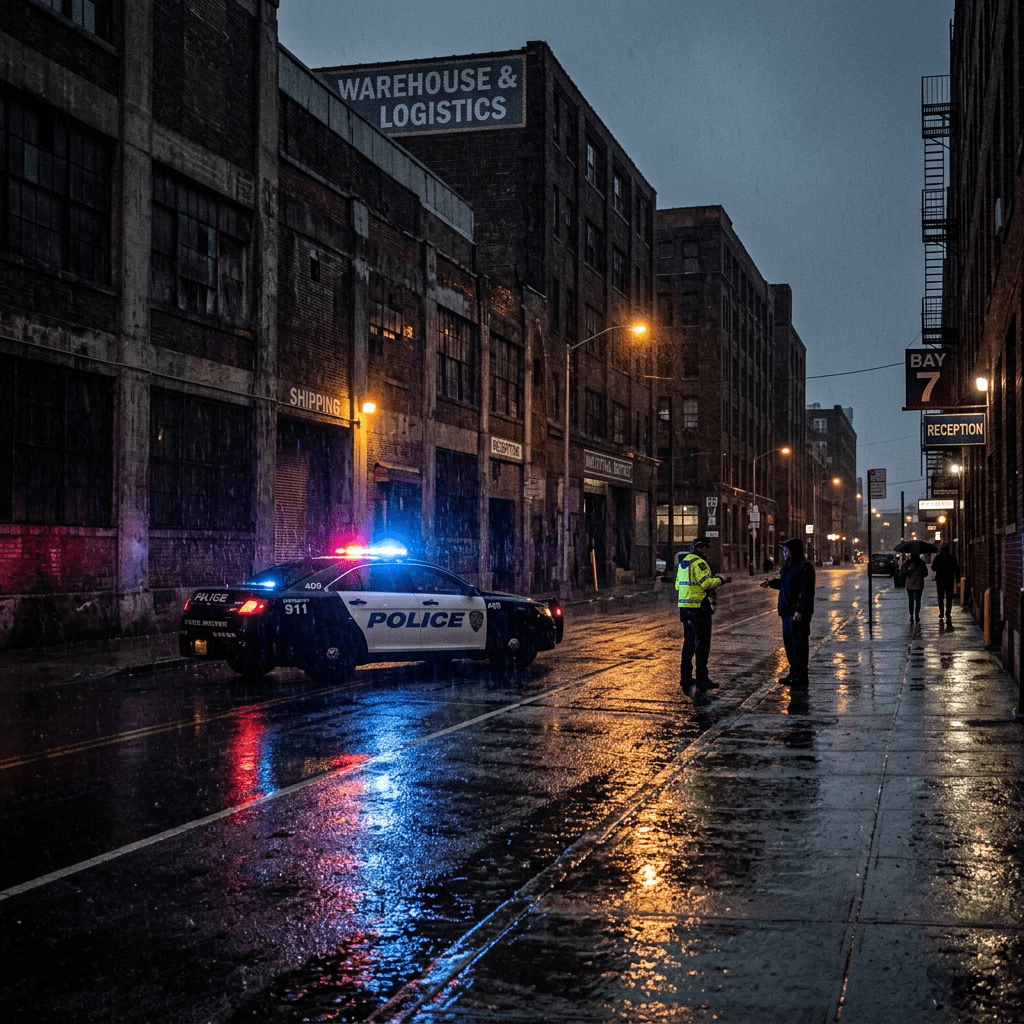
Police officer in reflective jacket speaking with a man on a rainy urban street at night with a police car.

Readers, I am so excited to tell you about this series. It surpassed my expectations. Legends is a British crime drama television series written and created by Neil Forsyth and produced by his Tannadice Pictures production company.

In the face of a surging heroin and cocaine epidemic flooding Britain’s streets during the Thatcher era’s “War on Drugs,” a small team of ordinary Customs and Excise civil servants—airport screeners, clerks, and everyday bureaucrats with zero espionage training—are thrust into the shadows. Their mission: infiltrate some of the country’s most dangerous international drug gangs from the inside. What unfolds is a riveting cat-and-mouse game where the lines between duty, identity, and survival blur dangerously.

The series excels at showing the absurdity and bravery of this real-life operation. These aren’t polished MI6 agents; they’re relatable underdogs risking everything—families, sanity, and lives—for a cause bigger than themselves.

The cast is phenomenal and elevates the material to must-watch status:

  • Steve Coogan delivers one of his strongest dramatic turns as Don, the haunted, world-weary mentor figure assembling and leading the ragtag team. He brings layers of dry wit, quiet intensity, and emotional depth, balancing comic relief with profound gravitas.
  • Tom Burke (as Carter, a dedicated family man) is magnetically intense—his portrayal captures the personal toll of undercover work with raw vulnerability and steely resolve.
  • Supporting players, including Tom Hughes and others in the ensemble, round out a believable crew of misfits. The chemistry crackles, making you genuinely care about these characters’ fates.

The antagonists—ruthless yet charismatic gang figures—are equally well-drawn, adding moral complexity rather than cartoonish villainy.

Forsyth’s writing shines with sharp dialogue, meticulous research, and a perfect mix of tension and levity. The ’90s period detail is impeccable: lived-in fashion, iconic Britpop soundtrack (with some fitting anachronisms that enhance the vibe), gritty London and regional locations, and a palpable sense of bureaucratic chaos meeting street-level danger.

Pacing is deliberate yet propulsive—each episode builds on the last, culminating in a satisfying, high-impact conclusion across the compact season. It’s binge-friendly without feeling rushed, offering moments of quiet reflection amid the adrenaline.

What makes Legends special is its heart. Amid the procedural thrills and undercover intrigue, it explores themes of sacrifice, loyalty, identity erosion, and the human cost of systemic battles like the drug war. It’s thrilling and thoughtful—funny in spots thanks to the unlikely recruits’ fish-out-of-water moments, yet never losing sight of the stakes.

Quite simply, this is must watch tv. Five stars out of five from me. Now start Netflixing.

Apex (2026): A Must-Watch Survival Thriller on Netflix

Sunset over rocky desert terrain with scattered vegetation and distant mountain range under colorful sky

Hello readers, I was switching between streaming services last night when I came across this film. I thought it was going to be about a giant crocodile. Fortunately, I was wrong.

Apex (2026) is a thrilling, pulse-pounding survival adventure that delivers exactly what it promises—and then some. Directed by Baltasar Kormákur with a lean 95-minute runtime, this Netflix original stands out as one of the platform’s strongest recent action-thrillers, blending breathtaking cinematography, committed performances, and white-knuckle tension into a gripping cat-and-mouse tale set against the raw beauty (and brutality) of the Australian wilderness.

The film follows Sasha (Charlize Theron), an extreme sports enthusiast and adrenaline junkie grieving a personal loss, who embarks on a high-stakes adventure with her partner Tommy (Eric Bana). What begins as a daring climb on a sheer rock face quickly spirals into a nightmare when tragedy strikes and a psychotic predator—brilliantly played by Taron Egerton—enters the fray. The story smartly draws inspiration from classics like Deliverance, The River Wild, and Cliffhanger, while carving its own path with creative twists on the “hunter becomes hunted” trope.

Kormákur’s direction is masterful here. The opening sequence alone is a showstopper: a couple waking up in a tent literally affixed to a vertical cliff, with nothing but gravity and stunning vistas below. The film maintains this high-octane energy throughout, balancing visceral action with quieter moments of resilience and resourcefulness. It’s briskly paced, never overstaying its welcome, and feels like a “real movie” rather than typical streaming filler—slick, methodically gripping, and refreshingly focused on thrills over unnecessary exposition.

Charlize Theron gives a breathtaking performance. Her character displays just the right amount of weakness and strength at the right time.

The Australian landscapes are a character in their own right. Cinematography captures both the majestic allure and unforgiving danger of rugged peaks, raging rivers, and dense wilderness. Nature feels alive—beautiful yet deadly—and the practical stunts combined with convincing effects create immersive, teeth-grinding tension.

Five stars out of five from me. A must watch.