The Fix: Kabul, Tehran, and an Old-School Mission of Redemption

A cinematic movie review aesthetic image featuring popcorn in a striped bucket, a vintage film reel, a clapperboard, and soft dramatic cinema lighting. Warm golden and deep red tones, moody atmosphere, film grain texture overlay. Horizontal composition, editorial feel.

My dear readers, this is a very interesting film I watched earlier. I have to say, I really enjoyed it.

The Fix is the kind of mid-budget action thriller Hollywood used to make with more regularity: long, loud, a little overstuffed, and unexpectedly sincere about the damage that follows the men who do the dirty work. Directed by Guy Moshe from a story that began with former CIA officer Bazzel Baz, it follows a team of disgraced operators from the wreckage of Kabul to the streets of Tehran, chasing both a hidden fortune and a last shot at meaning. It is not a lean machine. It is a bruising, old-fashioned mission picture that wants spectacle and conscience, and for long stretches it gets both.

The film opens in August 2021, in the collapsing chaos of the American withdrawal from Afghanistan. Tucker, played by Zachary Levi with a clenched, exhausted gravity far from his superhero charm, leads a CIA special-operations team tasked with extracting a valued Afghan ally before the Taliban close in. This is not really that well explained in the film, and this could become a major shortcomings in time when the average viewer won’t know the history. The mission goes wrong in the way these missions always seem to go wrong: too late, too little air cover, impossible choices. Tucker makes one of those choices — one that saves some lives and ends another — and the Agency answers by discarding the entire unit. Liam Neeson’s Larry, their handler and something close to a father figure, is left equally stranded. The first half-hour is the film at its most effective: dusty, panicked, morally ugly, and unusually willing to sit with the shame of a botched rescue rather than rushing to the next explosion.

A year later, Tucker is adrift. The movie takes time with that drift — the strained marriage, the son he barely knows how to talk to, the nights that never quite end. Then Larry, now frail and slipping, lets something slip: in 1981, after the embassy fell, he and others bricked $25 million into a wall in Tehran for a counterrevolution that never came. The money is still there. So is an Iranian former asset who will only give up the location if Tucker also extracts her activist daughter. What begins as a payday becomes a redemption job, then a rescue, then a tangle of both. Tucker does what operators like him do. He calls the old team.That team is the movie’s secret weapon. Wes Chatham, Quincy Isaiah, Jake Choi, Augusto Aguilera, and Grant Harvey play the kind of interchangeable-looking operators who, in lesser films, vanish into beards and tactical vests. Here they have enough texture — grief, gallows humor, private debts — to feel like a unit rather than a firing squad. Elnaaz Norouzi’s Zara, recruited as Tucker’s cover wife and Farsi-speaking partner on the ground, gives the infiltration scenes a live-wire tension; Lara Wolf’s Maryam, the young woman they have to get out, refuses to be cargo. Annet Mahendru and Titus Welliver fill the edges with the bureaucratic and personal wreckage these men left behind. Neeson, used sparingly, is the film’s moral weather system: gravel, regret, and the sense that he has already paid more than the plot will admit.

Once the team is inside Iran, Moshe starts stacking plates. Cover identities, hotel corridors, Revolutionary Guard compounds, a train extraction running in parallel with a heist. The New York Times called that dual sequence lunacy that “plays,” and that is exactly right. Moshe cross-cuts with real showmanship: one team moving people, another tearing into a wall that has waited forty years, both clocks running out at once. It is the high point of the movie — messy, improbable, and genuinely exciting in the way a good heist-rescue hybrid should be. Larry Smith’s cinematography keeps the Tehran sequences readable even when the geography gets busy; the action is physical and a little brutal, more 13 Hours than slick superhero cleanup.

Visually, the film is very impressive with long camera shots of the Iranian landscape, further immersing you in the action, and making it all “feel” very real.

What distinguishes The Fix from a dozen other “one last job” pictures is its preoccupation with aftermath. These men are not looking for glory. They are looking for a version of themselves that can sleep. The script keeps circling sin, loyalty, and the difference between following an order and doing the right thing when the order is already too late. Faith language flickers at the edges — truth, freedom, the possibility of being remade — without turning the film into a sermon. Plugged In, of all places, noticed that the movie is about flawed people trying to make a better choice after they have already failed. That is the heartbeat under the gunfire. Tucker is not a superhero who discovers his power. He is a man who already used his power and cannot forget what it cost.

The film is long — 141 minutes — but I didn’t feel it. Moshe knows when to add a twist, a double-cross, or another corridor. Some of the geopolitics is broad. Some of the plotting is the kind of late-movie convolution that makes you throw up your hands and then, a minute later, lean forward anyway because the set piece is working. Variety called it polished but uneven, watchable even when it misses the bullseye. That is a fair description of its best self: not elegant, but committed. The performances hold when the story overreaches. Levi, asked to play the strong-silent type, finds something wounded and stubborn rather than blank. Neeson can do this role in his sleep and still makes it sting. The supporting women, given less room than they deserve, still register as people with agency rather than prizes.

The Fix will not convert anyone who wants lean, modern, morally tidy thrillers. It is an unapologetic American action movie about operators who break rules, bury cash, and then try to dig something better out of the wall. It is also, in its better hours, a film about what happens when the war ends and the men who fought it are still standing in the rubble, looking for a job that might feel like grace. See it for the Kabul opening, for the train-and-compound cross-cut, for Neeson’s quiet wreckage, and for a team that actually feels like a team.

Four point five stars out of five from me.

Kevin Hart Shines in 72 Hours Comedy

People dancing and celebrating at a rooftop party with city skyline and sunset in the background

Netflix recommended this film after the Kevin Hart. I was in the mood for a laugh so happy days!

72 Hours is a high-energy, laugh-out-loud ride that perfectly captures the chaos of generational culture clash while delivering pure escapist fun. Directed by Tim Story and led by Kevin Hart as Joe, a 40-year-old advertising executive whose career is on the ropes, the film starts with a brilliantly simple and relatable premise: Joe is accidentally added to a group chat of twenty-somethings planning a wild Miami bachelor party.

Seeing a golden opportunity to reconnect with youth culture (and save his job with a vodka campaign pitch), he impulsively joins the strangers for 72 hours of pure mayhem.What follows is a nonstop whirlwind of parties, misunderstandings, escalating stakes, and genuine heart.

Hart is in peak form—energetic, self-deprecating, and endlessly watchable as the older guy desperately trying to keep up with the younger crew. His physical comedy and rapid-fire delivery shine, especially in the escalating situations that force him way outside his comfort zone.

The younger cast, including Marcello Hernández, Mason Gooding, Kam Patterson, and Ben Marshall, bring fresh, sharp energy and excellent chemistry. Their interactions with Hart crackle with authentic generational friction that’s played for both big laughs and surprising warmth.

The Miami setting is vibrant and sun-soaked, full of colorful locations, yacht parties, nightlife, and the kind of larger-than-life set pieces that make this feel like a modern hangover-style adventure with its own distinct personality. The script (from writers including Jon Hurwitz and Hayden Schlossberg) balances broad, raunchy comedy with moments of real insight about ambition, relationships, commitment, and what it means to stay relevant without losing yourself.

Supporting turns from Teyana Taylor and others ground the story emotionally, while cameos and side characters add extra layers of hilarity.Story keeps the pacing tight and the tone breezy. Even when the plot piles on complications (gangsters, mistaken identities, and wild party hijinks), it never loses the sense of fun or the central character journey. Joe’s arc feels earned—his desperate attempts to “get” Gen Z ultimately force him to confront his own life choices, and the payoff is both satisfying and genuinely funny.

At its best, 72 Hours is pure crowd-pleasing entertainment: loud, colorful, frequently hilarious, and surprisingly touching. It’s the kind of movie you watch with friends, quote afterward, and immediately want to rewatch for the best bits. Kevin Hart and the ensemble make the most of every chaotic second, delivering a feel-good comedy that understands both the absurdity of midlife panic and the joy of letting loose.

If you’re looking for a breezy, high-spirited Netflix comedy that celebrates the messiness of life across generations, this one delivers in spades. Highly recommended for anyone who wants to laugh, escape, and maybe reflect a little while having a great time. Four stars from me.

Legends: A Gripping Look at Britain’s Drug War Drama

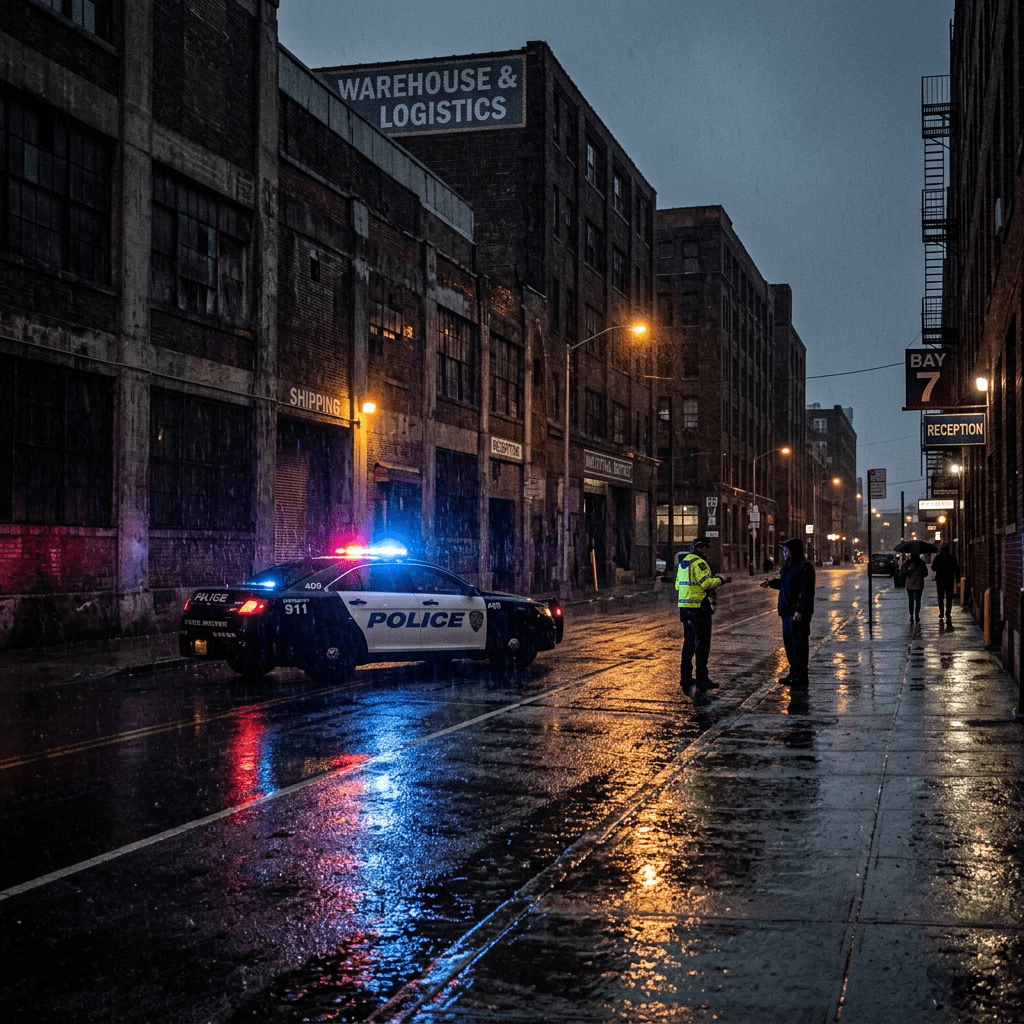
Police officer in reflective jacket speaking with a man on a rainy urban street at night with a police car.

Readers, I am so excited to tell you about this series. It surpassed my expectations. Legends is a British crime drama television series written and created by Neil Forsyth and produced by his Tannadice Pictures production company.

In the face of a surging heroin and cocaine epidemic flooding Britain’s streets during the Thatcher era’s “War on Drugs,” a small team of ordinary Customs and Excise civil servants—airport screeners, clerks, and everyday bureaucrats with zero espionage training—are thrust into the shadows. Their mission: infiltrate some of the country’s most dangerous international drug gangs from the inside. What unfolds is a riveting cat-and-mouse game where the lines between duty, identity, and survival blur dangerously.

The series excels at showing the absurdity and bravery of this real-life operation. These aren’t polished MI6 agents; they’re relatable underdogs risking everything—families, sanity, and lives—for a cause bigger than themselves.

The cast is phenomenal and elevates the material to must-watch status:

  • Steve Coogan delivers one of his strongest dramatic turns as Don, the haunted, world-weary mentor figure assembling and leading the ragtag team. He brings layers of dry wit, quiet intensity, and emotional depth, balancing comic relief with profound gravitas.
  • Tom Burke (as Carter, a dedicated family man) is magnetically intense—his portrayal captures the personal toll of undercover work with raw vulnerability and steely resolve.
  • Supporting players, including Tom Hughes and others in the ensemble, round out a believable crew of misfits. The chemistry crackles, making you genuinely care about these characters’ fates.

The antagonists—ruthless yet charismatic gang figures—are equally well-drawn, adding moral complexity rather than cartoonish villainy.

Forsyth’s writing shines with sharp dialogue, meticulous research, and a perfect mix of tension and levity. The ’90s period detail is impeccable: lived-in fashion, iconic Britpop soundtrack (with some fitting anachronisms that enhance the vibe), gritty London and regional locations, and a palpable sense of bureaucratic chaos meeting street-level danger.

Pacing is deliberate yet propulsive—each episode builds on the last, culminating in a satisfying, high-impact conclusion across the compact season. It’s binge-friendly without feeling rushed, offering moments of quiet reflection amid the adrenaline.

What makes Legends special is its heart. Amid the procedural thrills and undercover intrigue, it explores themes of sacrifice, loyalty, identity erosion, and the human cost of systemic battles like the drug war. It’s thrilling and thoughtful—funny in spots thanks to the unlikely recruits’ fish-out-of-water moments, yet never losing sight of the stakes.

Quite simply, this is must watch tv. Five stars out of five from me. Now start Netflixing.

Apex (2026): A Must-Watch Survival Thriller on Netflix

Sunset over rocky desert terrain with scattered vegetation and distant mountain range under colorful sky

Hello readers, I was switching between streaming services last night when I came across this film. I thought it was going to be about a giant crocodile. Fortunately, I was wrong.

Apex (2026) is a thrilling, pulse-pounding survival adventure that delivers exactly what it promises—and then some. Directed by Baltasar Kormákur with a lean 95-minute runtime, this Netflix original stands out as one of the platform’s strongest recent action-thrillers, blending breathtaking cinematography, committed performances, and white-knuckle tension into a gripping cat-and-mouse tale set against the raw beauty (and brutality) of the Australian wilderness.

The film follows Sasha (Charlize Theron), an extreme sports enthusiast and adrenaline junkie grieving a personal loss, who embarks on a high-stakes adventure with her partner Tommy (Eric Bana). What begins as a daring climb on a sheer rock face quickly spirals into a nightmare when tragedy strikes and a psychotic predator—brilliantly played by Taron Egerton—enters the fray. The story smartly draws inspiration from classics like Deliverance, The River Wild, and Cliffhanger, while carving its own path with creative twists on the “hunter becomes hunted” trope.

Kormákur’s direction is masterful here. The opening sequence alone is a showstopper: a couple waking up in a tent literally affixed to a vertical cliff, with nothing but gravity and stunning vistas below. The film maintains this high-octane energy throughout, balancing visceral action with quieter moments of resilience and resourcefulness. It’s briskly paced, never overstaying its welcome, and feels like a “real movie” rather than typical streaming filler—slick, methodically gripping, and refreshingly focused on thrills over unnecessary exposition.

Charlize Theron gives a breathtaking performance. Her character displays just the right amount of weakness and strength at the right time.

The Australian landscapes are a character in their own right. Cinematography captures both the majestic allure and unforgiving danger of rugged peaks, raging rivers, and dense wilderness. Nature feels alive—beautiful yet deadly—and the practical stunts combined with convincing effects create immersive, teeth-grinding tension.

Five stars out of five from me. A must watch.

Epic Review of 2012: A Disaster Movie Masterpiece

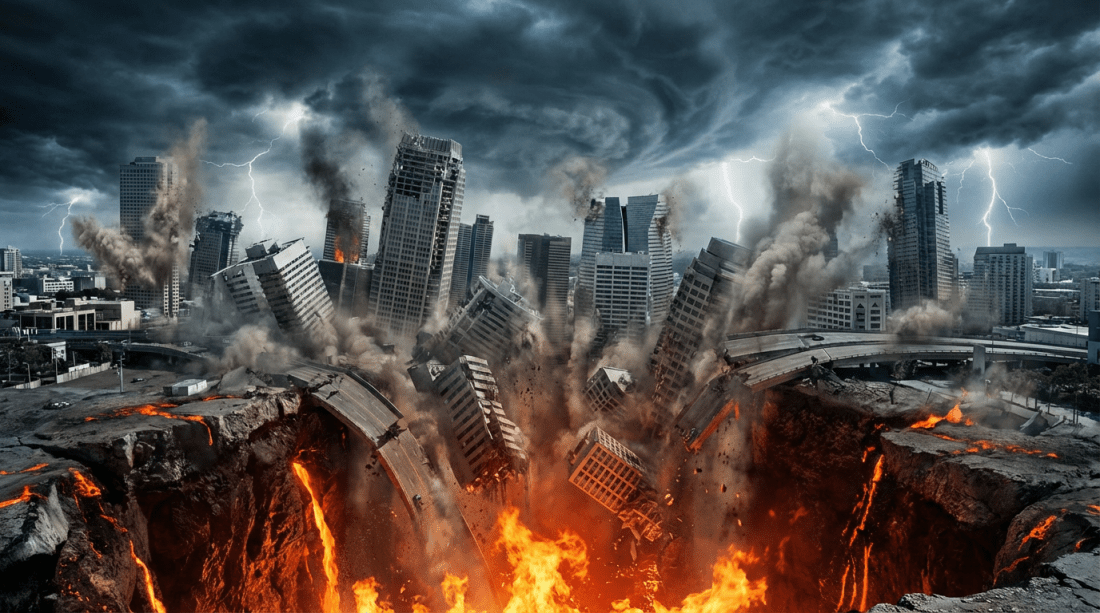
Skyscrapers collapsing into a fiery lava-filled chasm under a dark, stormy sky with lightning.

I watched this old blockbuster yesterday. Okay, I admit it. I only recalled watching it years ago, about halfway through.

2012 (2009), directed by Roland Emmerich, stands as one of the most exhilarating and ambitious disaster films ever made—a true spectacle that delivers non-stop thrills, jaw-dropping visual effects, and an unapologetic celebration of human resilience in the face of apocalyptic chaos. If you’re looking for a movie that turns the end of the world into an edge-of-your-seat rollercoaster ride, this is it. Emmerich, the master behind classics like Independence Day and The Day After Tomorrow, outdoes himself here with a film that prioritizes pure cinematic excitement over subtlety, and it succeeds brilliantly on those terms. The car driving along while all the buildings collapsed on either side was particularly memorable.

At its core, 2012 follows a diverse group of characters as they race against time to survive a series of cataclysmic events triggered by massive solar flares that destabilize Earth’s crust. John Cusack stars as Jackson Curtis, a struggling writer and divorced dad who becomes an unlikely hero, desperately trying to save his family amid the unfolding global nightmare. Amanda Peet plays his ex-wife Kate, Chiwetel Ejiofor brings gravitas as a dedicated scientist working for the U.S. government, and Woody Harrelson adds memorable eccentricity as a conspiracy theorist who sees it all coming. The ensemble cast handles the mix of personal drama and high-stakes action with sincerity, making you genuinely care about their fates even as the planet crumbles around them.What truly elevates 2012 is its breathtaking scale and groundbreaking visual effects. This is Emmerich at his most extravagant: entire cities like Los Angeles are torn apart by massive earthquakes, with roads splitting open, buildings collapsing in domino fashion, and cars desperately navigating collapsing freeways in one of the most intense opening sequences in cinema history. Yellowstone erupts in a fiery cataclysm, mega-tsunamis swallow landmarks worldwide, and iconic sites—from the White House to the Vatican—meet spectacular ends.

The CGI, which was cutting-edge for its time and still holds up remarkably well, creates immersive, awe-inspiring destruction that feels both terrifying and exhilarating. Scenes like the family’s frantic escape through crumbling Los Angeles or the desperate boarding of massive “arks” designed to save humanity are pure adrenaline, blending practical stunts with seamless digital wizardry to deliver one jaw-dropping set piece after another.

Beyond the spectacle, the film taps into a universal theme of hope and survival. Despite the overwhelming odds, 2012 never descends into pure nihilism. It balances the chaos with moments of heart—family reconciliations, acts of selflessness, and a quiet optimism that humanity can endure even the worst.

The screenplay cleverly weaves in real-world inspirations from the Mayan calendar prophecy (popular at the time) while keeping the focus on character-driven stakes. At nearly 2 hours and 40 minutes, it gives ample time for both intimate emotional beats and globe-spanning devastation, ensuring the pacing rarely lets up once the disasters begin.Critics may sometimes dismiss it as over-the-top or cheesy, but that’s missing the point—2012 knows exactly what it is and embraces it wholeheartedly. It’s big, loud, and unpretentious fun that prioritizes entertainment value above all else.

The sound design amplifies every rumble and crash, pulling you deeper into the experience, while the score heightens the emotional and epic tones. For fans of disaster movies, it’s a standout: more intense and visually ambitious than many of its peers, with a sense of wonder amid the wreckage. In the end, 2012 is a triumphant blockbuster that reminds us why we go to the movies—to witness the impossible, feel the rush of adventure, and emerge with a renewed appreciation for the fragility (and strength) of life.

If you haven’t seen it, do yourself a favor and experience it on the biggest screen possible. It’s a wild, unforgettable ride that delivers pure cinematic joy through destruction. Highly recommended for anyone who loves epic scale, heartfelt moments, and the sheer thrill of watching the world (almost) end.

Five stars for sheer spectacle and entertainment value from me! I caught up with it on Disney+

Why You Need to Watch The Rip Right Now!

My dear readers, I have an urgent message for you. Stop whatever you are doing, subscribe to Netflix or a dodgy box, and watch The Rip. Quite simply, it is that good. An easy five stars out of five, and the best gangster type film I’ve seen in years.

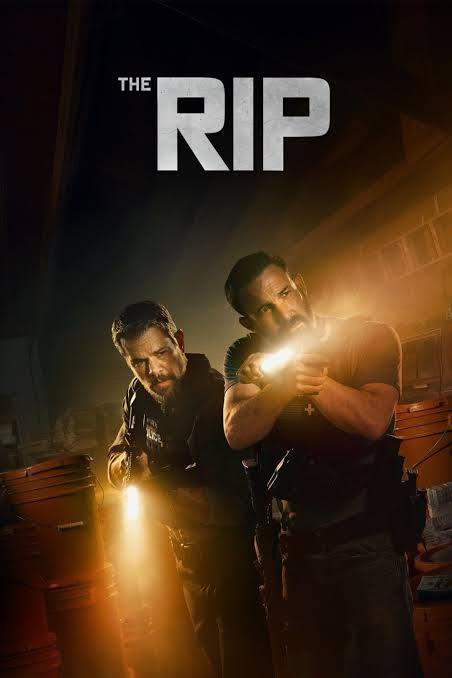
The Rip is a 2026 American action thriller film written and directed by Joe Carnahan, who developed the story with Michael McGrale. The film stars Matt Damon and Ben Affleck as police officers within the narcotics unit of the Miami-Dade Police Department. They give stellar performances. It also stars Steven Yeun, Teyana Taylor, Sasha Calle, Catalina Sandino Moreno, Scott Adkins, and Kyle Chandler.

It is inspired by the true story of Miami-Dade County Sheriff Chris Casiano. This film tells the story of a group of police officers who, during a raid on a hidden cash operation, find their trust broken down as team members suspect each other of trying to steal a large sum of cash.

The Rip is a gripping, confidently made film that lingers long after the credits roll. From its opening moments, it establishes a tense, immersive atmosphere and never lets go, pulling the viewer into a story that feels both intimate and unsettling. The film’s greatest strength lies in how controlled and purposeful it is—every scene, every beat, feels intentional.

The performances are a standout across the board. The cast delivers raw, believable work that grounds the film’s more intense moments in genuine emotion. Rather than relying on exaggerated reactions, The Rip allows its characters to unravel in subtle, human ways, making their choices and consequences feel painfully real. This emotional restraint makes the film’s most powerful moments hit even harder.

Visually, The Rip is striking without being showy. The cinematography uses framing, lighting, and movement to reinforce the story’s themes, often communicating more through silence and composition than dialogue ever could. The film has a strong sense of place, and the environment itself becomes part of the storytelling, heightening tension and reinforcing the characters’ inner turmoil.

It is all brought to a well-thought-out and masterful conclusion. No need to thank me. Start Netflixing.