Mourinho: The Rise of Football’s ‘Special One’ Unveiled

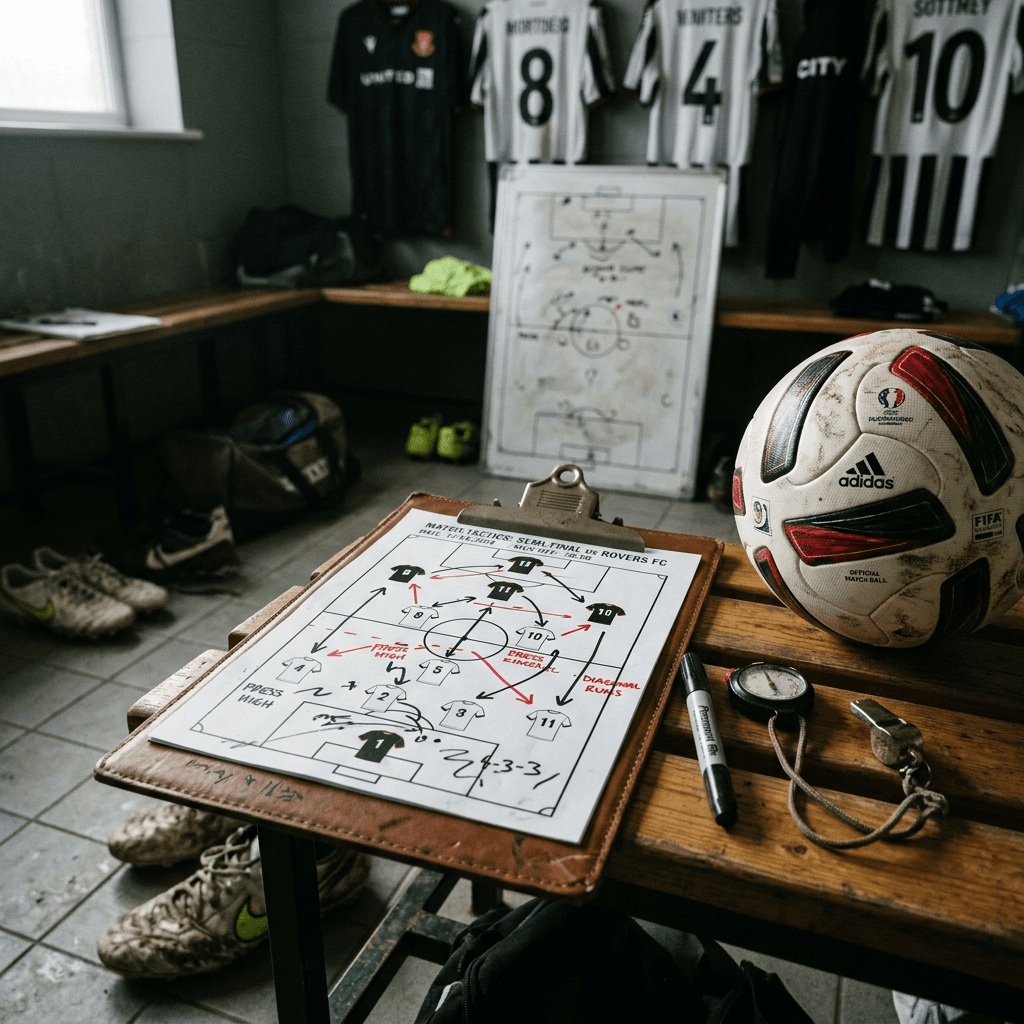
Soccer tactical plan clipboard with a ball, whistle, and stopwatch on a bench in a locker room

The best thing about Mourinho as far as I’m concerned was the role he played in crushing the Manchester Utd, Arsenal duopoly in the Premier League. For that reason, he will always be “The Special One.” It was with some nostalgia that I watched this series last night.

Mourinho is a thoroughly engaging, high-production three-part Netflix documentary series that delivers an intimate, trophy-laden portrait of one of football’s most charismatic, polarizing, and successful managers. Released globally on 11 August 2026 and directed by BAFTA- and Emmy-nominated Joe Pearlman (known for work on Robbie Williams and Lewis Capaldi: How I’m Feeling Now), with production from double Academy Award-winner John Battsek (of the acclaimed Beckham series), it benefits from two years of exclusive access to José Mourinho himself.

The series charts the arc of “The Special One” with energy and style, beginning with his breakthrough at Porto—capped by the stunning 2004 Champions League triumph—and moving through his transformative first spell at Chelsea, the historic treble-winning campaign at Inter Milan, the intense Real Madrid years, and key later chapters. It captures the essence of a manager who won league titles in four different countries and lifted the Champions League twice, revolutionizing what it meant to lead elite clubs while generating endless headlines and contradictions.

What elevates Mourinho is the exceptional roster of interviewees who bring the story to life with candid reflections. Sir Alex Ferguson, Didier Drogba, Frank Lampard, John Terry, Zlatan Ibrahimović, Samuel Eto’o, Iker Casillas, Marcelo, Javier Zanetti, Petr Čech, Eden Hazard, and many others offer firsthand accounts of Mourinho’s methods, motivational genius, and larger-than-life presence. These voices illuminate why players would “run through walls” for him and how he commanded dressing rooms across Europe. Mourinho’s own interviews form the emotional core—charismatic, self-assured, and occasionally revealing—including the notable confession about nearly succeeding Ferguson at Manchester United in 2013 before choosing to return to Chelsea for a sense of belonging and love after his Madrid experience.

The production values shine throughout. Archival footage of iconic matches and celebrations pairs seamlessly with contemporary reflections, creating a dynamic, fast-paced narrative that feels both celebratory and insightful. Mourinho’s personality leaps off the screen: the competitive fire, the tactical obsession, the theatrical flair, and the unapologetic drive that turned him into a global icon. Moments of vulnerability—such as reflections involving family—add human depth without diluting the larger-than-life mythos. As Mourinho himself notes in spirit, you don’t make a documentary about someone who wins nothing; this series earns its subject by focusing on two decades of sustained excellence and the force-of-nature persona that made him essential viewing.

For football fans, Mourinho is pure box office. It celebrates the wins, the rivalries, the mind games, and the pure drama of a career that redefined modern management. Even as it portrays football’s ultimate contradiction—the winner the game can’t live without and sometimes struggles to live with—it leaves you admiring the relentless ambition and the special quality that made José Mourinho a legend.

Still, I felt that some of the conflict was glossed over. There was ittle mention of the Champions League semi final with Barcelona that almost totally boiled over

Three stars out of five from me.

Quarterback Season 3: A Must-Watch NFL Documentary

Silhouette of football player wearing jersey number 12 walking from tunnel to field

I’m not a huge fan of the NFL. The games are so long but I appreciate a good game. And things can get exciting in the 4th quarter. So I decided to give this show a try.

It’s actually more enjoyable than watching a real game.

Quarterback Season 3 (often referred to as Quaterback Series 3) is an outstanding, deeply engaging Netflix documentary series that delivers one of the most intimate and compelling looks yet at life as an NFL quarterback.

Released on July 14, 2026, this third installment follows four signal-callers at distinctly different stages of their careers through the full 2025 NFL season: Washington Commanders dual-threat star Jayden Daniels (building on his impressive rookie year), Tampa Bay Buccaneers veteran Baker Mayfield (with his signature fire and resilience), Tennessee Titans No. 1 overall pick Cam Ward (navigating the intense pressures of a rookie campaign), and Super Bowl MVP Joe Flacco (embarking on a surprising midseason trade and new chapter with the Cincinnati Bengals).

Produced by Peyton Manning’s Omaha Productions, NFL Films, and Patrick Mahomes’ 2PM Productions, the series continues the franchise’s high standard of exclusive, fly-on-the-wall access.

What elevates Season 3 is its thoughtful casting and storytelling balance. Rather than focusing solely on championship contenders, it captures a rich cross-section of the quarterback experience—the soaring expectations and growing pains of youth, the mid-career battles for consistency and relevance, the veteran’s wisdom mixed with uncertainty, and the raw physical and mental toll of the position.

Viewers get unprecedented behind-the-scenes moments: pre-snap reads and audibles, locker-room reactions after wins and losses, film-study sessions, recovery from injuries, family life, and the personal sacrifices required to perform at this level. Daniels’ journey (including the role of his mother, an NFLPA-certified agent), Mayfield’s competitive edge and family milestones, Ward’s early professional adjustments and character-revealing moments, and Flacco’s unique midseason transition all feel authentic and layered.

The production quality shines throughout. NFL Films’ signature cinematic style, sharp editing that interweaves the four narratives effectively within episodes, and strong mic’d-up audio create an immersive experience.

The series highlights both the glory and the grit—spectacular plays and leadership moments alongside the grind of injuries, pressure, and the fragility of an NFL career—without feeling exploitative. Family dynamics, personal growth, and the human side of these athletes add emotional depth that appeals beyond hardcore football fans, while the football-specific details (play calls, defensive reads, weekly preparation) fully satisfy dedicated viewers.

Season 3 builds successfully on the strengths of prior seasons, refining the format into a reliable showcase of the most demanding position in sports. It underscores leadership, resilience, toughness, and the pursuit of greatness in a way that feels both educational and entertaining. The all-at-once release format makes it perfect for binge-watching, and the seven-episode structure maintains excellent pacing across the season’s arc.

In short, Quarterback Season 3 is a must-watch for NFL enthusiasts and sports documentary fans alike. Four stars out of five from me.

2026 World Cup Highlights: Spain’s Triumph and Record Attendance

Glowing soccer ball flying over Earth with digital light trails representing global connection

Hello readers, I don’t know about you but I thoroughly enjoyed the World Cup. Okay, it helps that I won 150 euro with Argentina at my work draw. And the actual final was a bore fest.

Still, The 2026 FIFA World Cup, co-hosted by the United States, Canada, and Mexico, was an unqualified triumph—the biggest, most attended, and one of the most thrilling editions in the tournament’s history. From June 11 to July 19, this expanded 48-team spectacle delivered drama, upsets, record crowds, and unforgettable moments, culminating in Spain’s deserved 1-0 extra-time victory over defending champions Argentina in the final at MetLife Stadium.

The numbers alone tell a story of massive success. Attendance shattered the 1994 record (set in the U.S.), surpassing 3.6 million early and ultimately drawing well over 4.6 million fans across 104 matches with a staggering 99.7% stadium occupancy rate and averages around 64,000–65,000 per game.

It was also a tournament where the world’s best players shone, especially Messi and Mbappe. We are truly blessed to be able to witness such great players.

Spain emerged as the undisputed stars, claiming their second World Cup title (first since 2010) with a masterclass in possession, defense, and clinical finishing. They extended an unbeaten run to 38 games, conceded just one goal all tournament, and dominated the final despite Argentina’s resilience. Rodri earned the Golden Ball as the tournament’s best player, while young talents like Lamine Yamal shone brightly. Their extra-time winner—Ferran Torres volleying home after a brilliant Nico Williams header in the 106th minute—capped a controlled performance where Argentina managed zero shots on target.

Argentina fought valiantly to defend their crown, with Lionel Messi delivering moments of magic. But they let themselves down badly in the final with over defensive play, cheating and bad tackles. And I was supporting them.

The real heroes included underdogs like Cape Verde, the smallest nation ever to reach the knockouts. They drew with Spain, pushed Argentina to extra time in a 3-2 thriller, and captured hearts with their resilience and skill. Other surprises, strong runs from teams like Morocco, Norway.

Highlights abounded: dramatic comebacks (e.g., Argentina’s 3-2 turnaround), penalty shootouts, end-to-end thrillers, and emotional celebrations. The third-place playoff saw England edge France 6-4 in a goal-fest. Host nations punched above expectations at times, with passionate crowds creating a festival vibe. One thing I hope never to see again though is farcical water breaks when they are not needed.

The 2026 World Cup wasn’t just bigger; it felt more inclusive and joyful. It blended established powerhouses with fresh narratives, high-stakes football with global party energy, and legacy venues with modern flair. Spain’s triumph symbolized a new era of exciting, disciplined play, while underdog stories and record engagement showed football’s universal pull.

The Magic of Brazil’s 1994 World Cup Team

Soccer match at night with players in red and blue jerseys, illuminated by stadium lights

There was a time when you felt excitement and wonder as a Brazilian team took to the field. They played with flair and imagination that other countries could rarely match.

This 1h 26m Netflix documentary, called USA 94: Brazil’s Return to Glory and directed by Luís Ara, brilliantly captures Brazil’s dramatic journey to their fourth World Cup title in 1994—the moment A Seleção ended a 24-year drought and reclaimed their place among football’s elite.

I remember from the time that this Brazil team was viewed as much more defensive than those of the past. However, they still had that extra bit of magic up front to set them apart.

What sets this film apart is its intimate, insider perspective. Rather than recycling familiar match highlights, Ara weaves in never-before-seen handheld camcorder footage shot by goalkeeper Gilmar Rinaldi and right-back Jorginho during the tournament. These raw, unfiltered clips—showing bus rides, locker-room banter, hotel corridors, and quiet moments of young stars like Romário, Bebeto, Dunga, Branco, Raí, Zinho, and Viola—feel like stepping back in time. You see the players not as legends, but as determined men carrying enormous weight on their shoulders.

The present-day interviews are gold. Captain Dunga’s leadership shines through with quiet intensity, while Romário and Bebeto’s chemistry and reflections add warmth and humor. The film doesn’t shy away from the struggles: the skepticism from fans and media after a poor 1990 World Cup, a tense qualification campaign, and the heavy national grief following the deaths of rising star Dener and national hero Ayrton Senna earlier that year. The dedication of the victory to Senna provides some of the documentary’s most emotional, lump-in-the-throat moments.

The on-pitch drama builds beautifully. From the gritty Round of 16 clash against the USA on Independence Day (which players still call one of their toughest tests), through the knockout stages, to the tense, goalless final against Italy decided by penalties at the Rose Bowl. Italian perspectives from Gianluca Pagliuca and Demetrio Albertini add balance and respect, highlighting the mutual admiration between the sides. The penalty shootout sequence, with Baggio’s missed kick, is edited with genuine suspense.

sually and narratively, the film pulses with energy. The mix of archival footage, player-shot videos, and crisp modern interviews creates an engaging rhythm that feels fresh and personal. It celebrates not just sporting glory but cultural redemption—a nation in mourning finding joy and unity through football.

Well worth a watch. Four stars from me.

Liverpool’s Istanbul: A Miracle Documentary Review

Atletico Madrid players celebrating with fans after 3-3 draw vs Liverpool

Untold UK: Liverpool’s Miracle of Istanbul is not just another documentary about that legendary 2005 Champions League final—it’s the one fans have been waiting for. Streaming on Netflix, this 78-minute film captures the drama, emotion, and sheer improbability of Liverpool’s comeback from 3-0 down at half-time against AC Milan with a freshness and intimacy that makes it feel brand new, even two decades later.

I still remember the night unfolding as a Liverpool supporter. The horror, then the very unexpected elation. I was the only person in the house so I could shout as loud as I wanted.

From the opening minutes, director Matt Rudge sets the stage perfectly. The 2004/05 season was turbulent: a new manager in Rafael Benítez, key departures (including the looming exit of Michael Owen), squad uncertainty, and a rocky path through the competition.

Jamie Carragher gives an intriguing insight into what is happening. He is at an England and newly appointed Benitez arrives to have a meeting with his three star Liverpool players – Owen, Gerrard and Owens. Carragher expects him to give them a warm embrace and his plans for the future of the team. Instead, he concentrates on where they need to improve as individuals – Owen leaves the club. Gerrard thinks about it. It takes time for them to warm to Benitez, but things gradually click.

The film doesn’t rush to the final. It builds the context beautifully—Liverpool’s struggles, the tactical masterclass that got them to Istanbul, and the underdog spirit that defined the club. Archive footage is crisp, evocative, and plentiful, blending seamlessly with modern interviews that feel raw and reflective.

The real magic lies in the voices. Steven Gerrard, Jamie Carragher, Xabi Alonso, and Rafa Benítez (among others) speak with the hindsight of champions but the passion of men who still can’t quite believe what happened. Gerrard’s leadership and that iconic half-time team talk, Carragher’s never-say-die attitude, Alonso’s cool penalty, and Benítez’s tactical tweaks come alive in ways that go beyond the highlights we’ve all seen a thousand times. You feel the tension in the dressing room, the roar of the Liverpool fans in the stands, and the disbelief as goals from Gerrard, Šmicer, and Alonso turned the game on its head before the dramatic penalty shootout.

Five stars out of five from me. A must watch for all Liverpool supporters, or people who love the beautiful game.

Untold UK: Liverpool’s Epic Champions League Comeback

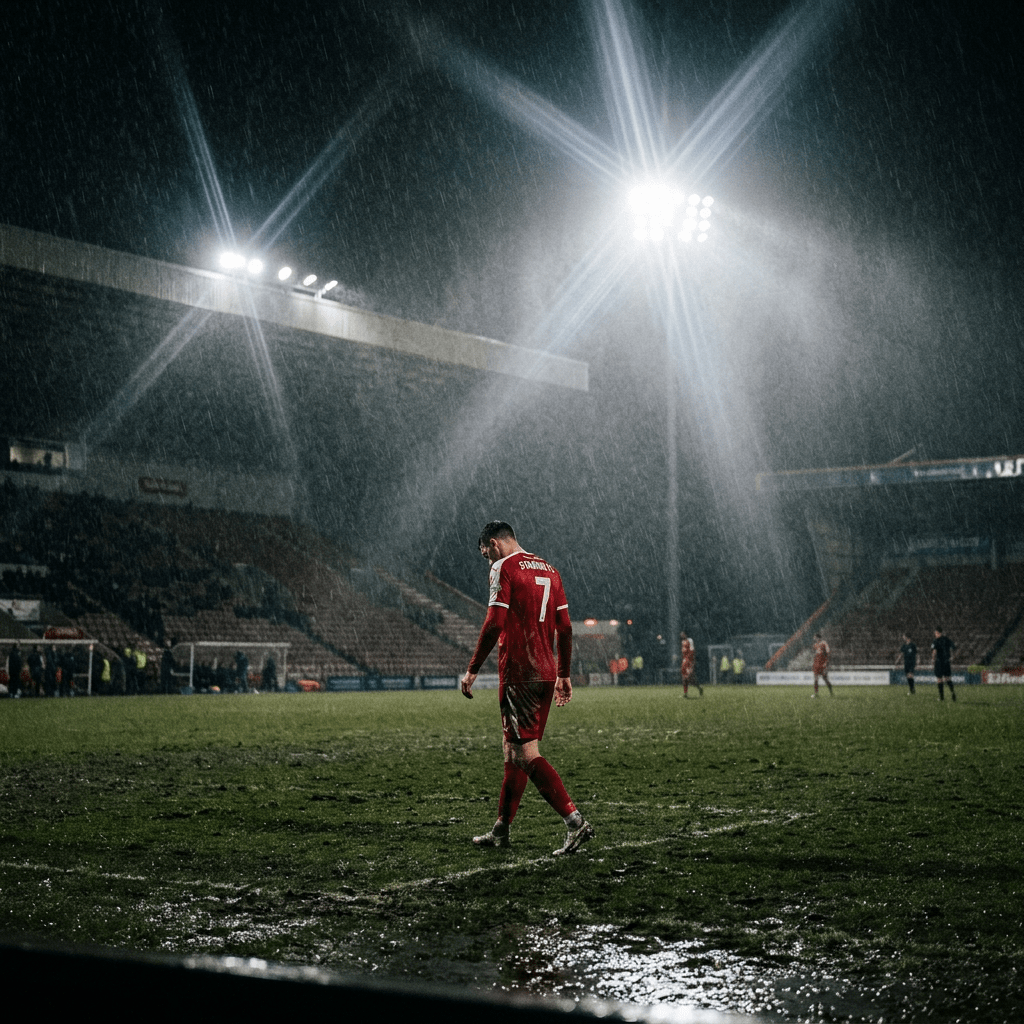
Soccer player in red jersey with number 7 walking on a wet, muddy soccer field at night in the rain

As an ardent Liverpool supporter, this day will live long in my memory. I remember waiting for the game to start. Little did I realize what I was about to witness.

Untold UK: Liverpool’s Miracle of Istanbul is an outstanding, emotionally charged documentary that captures one of the greatest nights in football history with passion, depth, and authenticity. Released in 2026 as part of Netflix’s Untold UK series, this film is a must-watch for any football fan—especially Liverpool supporters—but its appeal stretches far beyond Anfield.

The documentary masterfully revisits the entire 2004/05 season, culminating in the unforgettable UEFA Champions League final against AC Milan in Istanbul. At half-time, Liverpool trailed 3-0 against a star-studded Milan side widely regarded as one of the best club teams ever assembled. What followed remains nothing short of miraculous: a second-half comeback for the ages, capped by a dramatic penalty shootout victory.

Director Matt Rudge does a brilliant job balancing the big moments with intimate, personal stories. The film doesn’t just replay the goals (though the archive footage is superbly edited and will have you on the edge of your seat all over again). It digs into the context: a transitional squad, a new manager in Rafael Benítez, a departing striker, and a club fighting to re-establish itself on the European stag

Standout Elements

  • The Interviews: Steven Gerrard, Jamie Carragher, Rafael Benítez, Xabi Alonso, and other key figures speak with honesty and emotion. Their reflections, now delivered with the wisdom of experience two decades later, add incredible weight. Gerrard’s leadership, Carragher’s raw passion, and Benítez’s tactical genius come through vividly. You feel their nerves, belief, and eventual euphoria.
  • Atmosphere and Pacing: The build-up to the final is gripping. The half-time team talk, the dressing room tension, and the Anfield roar in the stands are recreated so effectively that even non-fans will be swept up in the drama.
  • Themes of Resilience and Belief: This isn’t just a football documentary—it’s a story about never giving up. The “You’ll Never Walk Alone” spirit shines through every frame, making it genuinely inspiring.

My favorite part is Gerrard recounting how the players came back onto the field at half time and heard “You’ll Never Walk Alone” coming from the fans. It drove them on, and showed what’s special about the club.

Five stars out of five from me.

Come on Liverpool!

The Bus: Exploring France’s Football Scandal Documentary

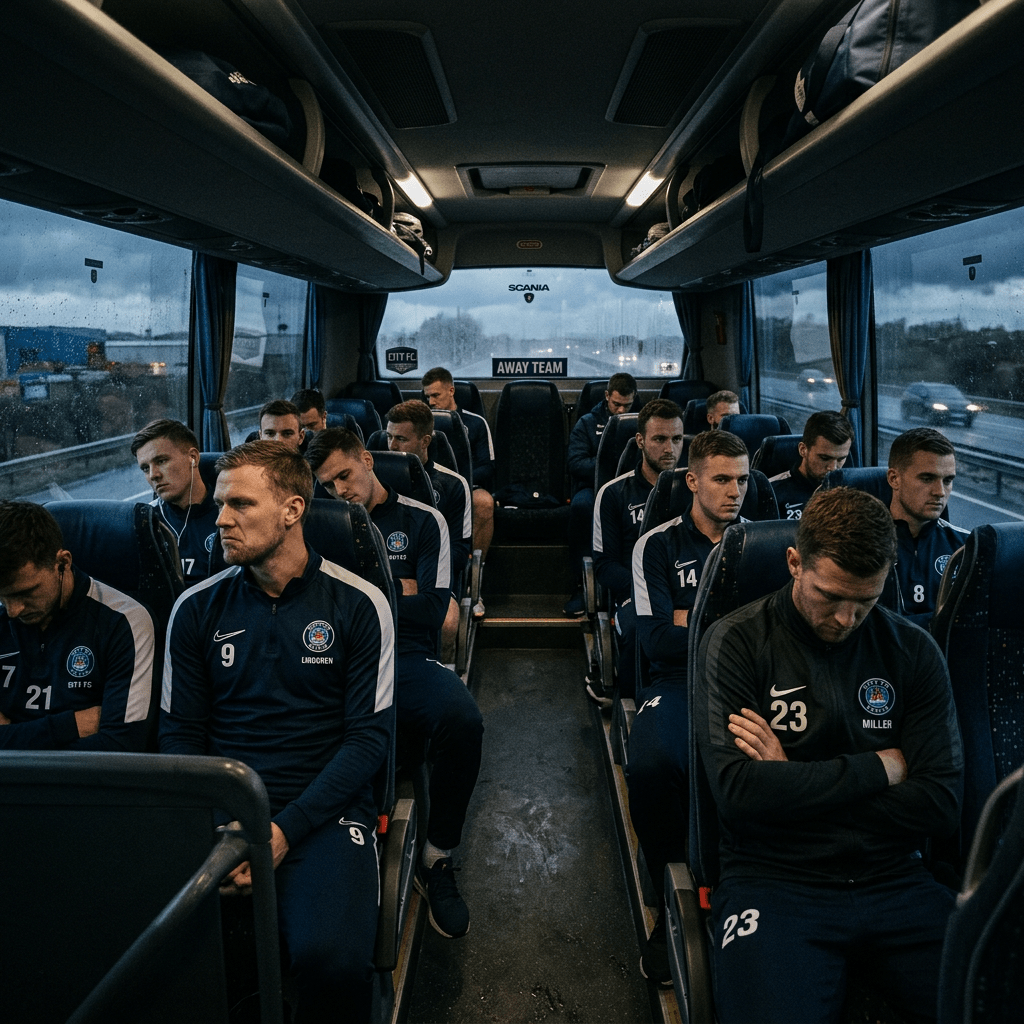
Football players in navy training gear seated on a bus marked 'Away Team' on a rainy day.

I still remember this with glee. You see France had knocked out my country, The Republic of Ireland with a very dubious Thierry Henri handball. So, feeling somewhat nostalgic, I decided to give this Netflix documentary a try.

The Bus: A French Football Mutiny is an outstanding, riveting documentary that transforms one of the most infamous scandals in modern sports history into a compelling, nuanced, and deeply human story. Released on Netflix in May 2026 and directed by Christophe Astruc and Jérôme Fritel, this 81-minute film revisits the 2010 FIFA World Cup debacle involving the French national team (Les Bleus) with fresh interviews, sharp editing, and a refreshing willingness to let participants speak for themselves.

The 2010 tournament in South Africa became a nightmare for France. After a lackluster group stage performance, tensions boiled over following a halftime clash between coach Raymond Domenech and striker Nicolas Anelka. What followed was extraordinary: players refused to train, staged a strike, and famously holed up on their team bus—refusing to leave while the world watched in disbelief. France exited early, the squad was vilified back home, and the incident exposed deep fractures I if you like slow carn team dynamics, media relations, leadership, and broader societal issues.

What makes The Bus exceptional is its structure. The directors craft it like a mystery with subtle Citizen Kane echoes—piecing together perspectives from players, coaches, officials, and journalists without forcing a single narrative. This approach feels fair and inquisitive, allowing viewers to weigh the accounts themselves.

The French Manager Domenech comes across poorly. Overly self-absorbed, there were multiple opportunities he lost to rectify matters.

The players, particularly Patrice Evra, deliver the most powerful testimony. Evra’s reflections on racism, classism, the pressure of representing a nation, and how football offered an escape are moving and insightful. William Gallas and Bacary Sagna also provide valuable context. These voices humanize a group long portrayed as overpaid prima donnas.

A must watch if you like slow burn car crashes.

Three stars out of five from me.

A Westmeath Man (Comedy)

A wooden rowing boat moored at a stone jetty on a calm, misty lake.

My dear readers, I was given the most terrible insult the other day, that I wasn’t a proper Westmeath man. Why, you may wonder? Well, I didn’t watch the Westmeath v Wexford match on TV about two weeks ago. Apparently, if I had then, maybe I could have willed Westmeath to victory with my special powers.

We’ll forget for now that I was born in Dublin, my parents grew up in Offaly, and a grandparent from Cork. Important facts when one of those counties is in with a chance of an All-Ireland.

And this grave insult came from my friend, who is known by the moniker BobDTraitor. Only on my phone, mind you. I’m not evil. How did he get such a name? Well, ladies and gentlemen, think back to that glorious day in 2004, when Westmeath won Leinster for the first and only time. Surely, you would want to celebrate with your people, not off at some random party with Dublin people. Poor life decisions, I’d say. And treachery.

What is it about Westmeath I love so much? Is it the people? The people from Kinnegad with their funny accents, those squinting windows in Delvin, or even people from Athlone, who lack souls according to the good people of Mullingar.

This is about pride of place, I reckon. I’ll be friends with people from all over the world, even from far-off places like Nigeria, Meath, Poland, and Monaghan. We’re all humans.

So maybe it’s the great wilderness in the County, you know, out there by Castlepollard. Or what we call the Great Lakes, midlands, and Irish style.

Maybe to be a Westmeath man, you have to be just like me.

And to the Westmeath football and hurling teams – I’ll try better next time.

(If you enjoyed this piece, please consider subscribing)