
My dear readers, I thought I had already heard the endgame of the FLDS but there’s more, much more. Trust Me: The False Prophet is an outstanding four-part true-crime docuseries on Netflix that stands out as one of the most gripping, authentic, and impactful investigative documentaries in recent years. Directed by the Emmy- and Peabody Award-winning Rachel Dretzin (known for her work on related FLDS stories like Keep Sweet: Pray and Obey), it masterfully blends real-time undercover footage, candid interviews, and a high-stakes narrative that feels more like a thriller than a standard retelling of events.
t its core, the series follows cult expert and survivor-advocate Christine Marie and her videographer husband Tolga Katas, who initially moved to the insular FLDS community in Short Creek, Utah (on the Utah-Arizona border), around 2016. Their goal is to document and support a fractured group still reeling from the imprisonment of notorious leader Warren Jeffs. What begins as an observational project quickly evolves into something far more urgent and dangerous: an undercover investigation into Samuel Bateman, a self-proclaimed “prophet” who positions himself as Jeffs’ spiritual successor and builds a breakaway faction around claims of divine authority.
What makes this docuseries so compelling is its unprecedented access. Christine and Tolga embed themselves deeply. Bateman’s narcissism and delusions of grandeur make it easier to capture his trust, enabling them to capture hundreds of hours of raw, intimate footage of his inner circle. Viewers get a front-row seat to how Bateman manipulates followers, “marries” dozens of women (including minors), and exerts control through a toxic mix of religious doctrine, paranoia, and abuse. The series doesn’t just recount crimes after the fact; it shows the manipulation unfolding in real time, including chilling moments of testimony, community dynamics, and escalating red flags that the couple documents while pleading with authorities to intervene.
The production shines in its balance and depth. It avoids sensationalism while never shying away from the disturbing realities of Bateman’s actions, which involved a multi-state conspiracy of child sexual abuse and exploitation. Yet it also humanizes the victims and community members—showing the psychological grip of cult dynamics, the evolution of belief systems, and the bravery of those who eventually speak out or break free. Christine’s perspective as a cult expert and advocate adds profound empathy and insight, while Tolga’s videography provides an immersive, fly-on-the-wall quality that feels incredibly immediate and authentic. The editing keeps the pacing tight across the four episodes, building tension toward the FBI raid, Bateman’s arrest, and even a shocking post-arrest kidnapping plot.
Critics and early viewers have praised it highly for good reason: it’s urgent, revelatory, and emotionally resonant. The bravery of Christine, Tolga, and the survivors who shared their stories is nothing short of inspiring—it highlights how ordinary people with cameras and conviction can help bring justice and shine a light on hidden abuses. The docuseries also thoughtfully explores broader themes of power, vulnerability in faith communities, and the long shadow of figures like Jeffs, without passing blanket judgment on all FLDS members
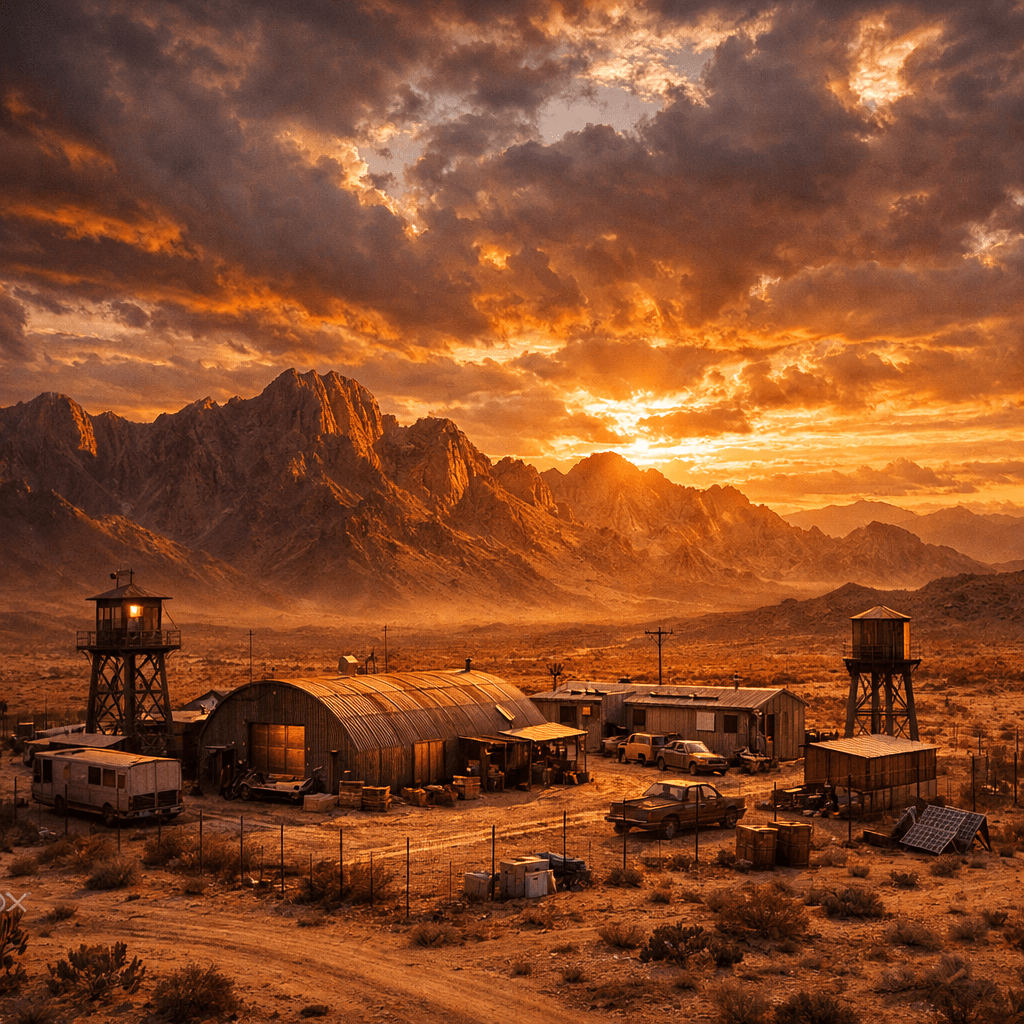
Visually, the desert landscapes of Short Creek evoke isolation and tension perfectly, complemented by effective (if sometimes on-the-nose) scoring that heightens the drama without overwhelming the human stories. At a compact four episodes, it never drags, delivering shocking revelations, twists, and moments of genuine hope amid the darkness.If you’re a fan of intelligent true-crime documentaries that prioritize firsthand evidence, survivor voices, and real-world impact over cheap thrills, Trust Me: The False Prophet is an absolute must-watch.
It gets five stars out of five from me.

