
I do love my sci-fi so the Netflix algorithm suggested I watch this. And who am I to argue on a Saturday afternoon?
The Last House is a gripping, emotionally resonant sci-fi survival thriller that turns an ordinary suburban home into the ultimate pressure cooker of human resilience, ingenuity, and love.I wonder will anything so exciting ever happen in my own life.
Directed by Louis Leterrier with a sharp screenplay by Matthew Robinson, the film follows the Delgado family—engineer Jason (Wagner Moura), his wife Ann (Greta Lee), and their two children—as a sudden, unnatural storm seals them inside their Seattle house with no way out. A new phenomenon for preppers everywhere to worry about.
What begins as a baffling lockdown quickly evolves into a multi-year ordeal of dwindling resources, mounting isolation, and an enigmatic external threat. The premise is simple yet potent, and the movie executes it with escalating tension that feels both intimate and apocalyptic.
Greta Lee and Wagner Moura deliver outstanding, grounded performances that anchor every scene. Moura brings quiet intensity and resourceful determination as a father who channels his engineering skills into creative survival tactics, while Lee radiates strength, maternal protectiveness, and quiet vulnerability as the family’s emotional center. Their chemistry feels authentic and lived-in; watching them navigate fear, frustration, and fierce protectiveness makes the stakes feel deeply personal. The young actors portraying the children are equally impressive across the time jumps, conveying growth, adaptation, and the pure bond of family under extreme pressure. These performances elevate the material into something genuinely affecting rather than purely conceptual.
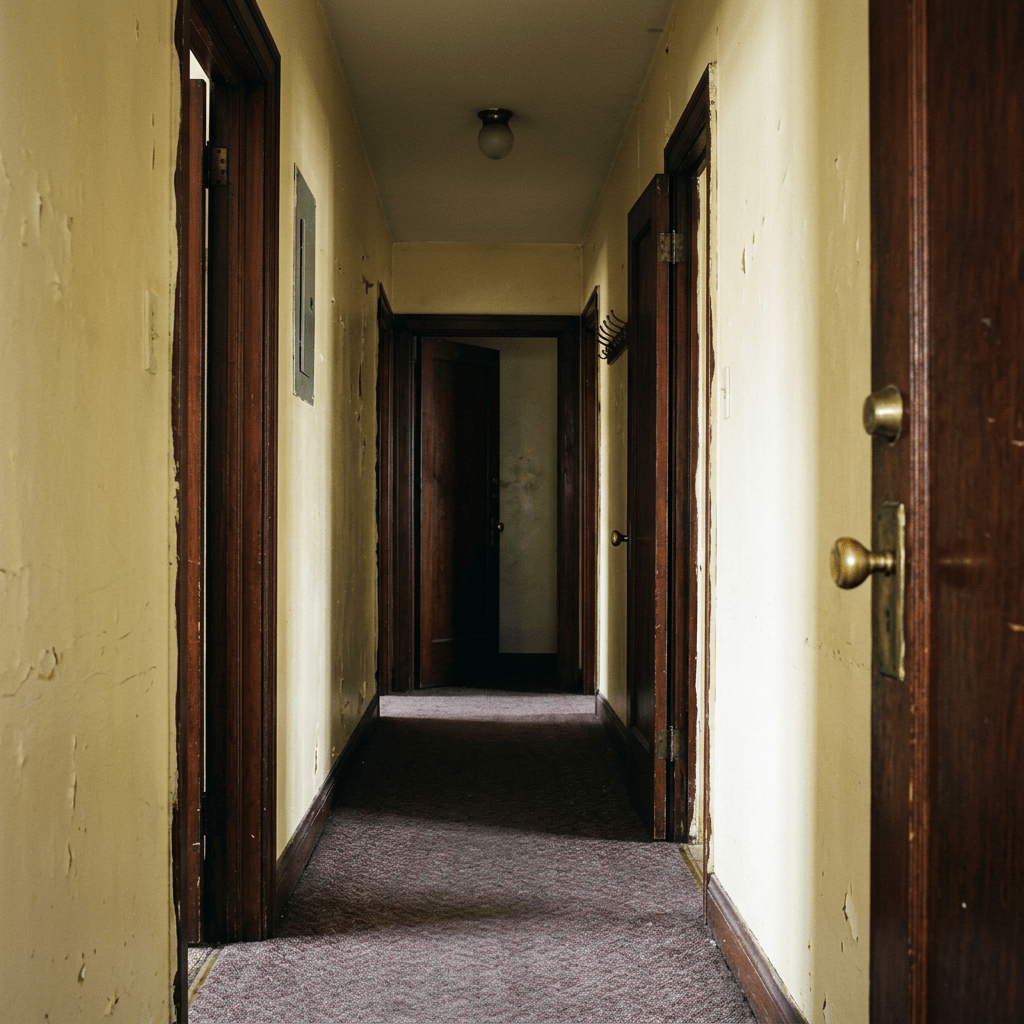
Leterrier crafts a masterfully claustrophobic atmosphere. The house itself becomes a character—initially a sanctuary, then a prison, and eventually a hard-won fortress of improvisation. Practical ingenuity (ingenious trapping methods, indoor cultivation, water collection) provides satisfying problem-solving moments that reward the characters’ resourcefulness without feeling like empty spectacle. The sound design and cinematography amplify the sense of dread and confinement: relentless rain, shadows moving outside, and the gradual transformation of familiar domestic spaces into something alien and hard-won. When the story expands in scope later, the visual effects and world-building feel purposeful and thematically rich rather than overwhelming.
Beyond the thrills, The Last House explores meaningful themes of family unity, adaptation, mercy, and humanity’s place in a changing world. It balances suspense with quieter, human moments of connection, play, and perseverance that make the characters’ endurance feel earned and hopeful. The film’s environmental and existential undertones add depth without becoming preachy, leaving viewers with a lingering sense of wonder and reflection.
At roughly 1 hour 50 minutes, the pacing sustains engagement through escalating challenges and emotional payoffs. It succeeds as both a tense chamber piece and a larger-scale speculative adventure, offering the kind of smart, character-driven entertainment that stands out on Netflix. Strong direction, exceptional lead performances, inventive survival details, and a premise that sticks with you long after the credits make The Last House a highly rewarding watch—one that celebrates the extraordinary strength found in ordinary people when the world outside changes forever. Highly recommended for fans of thoughtful sci-fi thrillers and powerful family dramas. Four stars out of five from me.

