
Fightland Review: Boxing, Blood Feuds and London’s Dark Underbelly

A dramatic, cinematic scene of a lone heavyweight boxer standing in a dimly lit boxing ring in London at night. The fighter wears boxing gloves and a hood, silhouetted against the glow of ring lights. Dark, moody atmosphere with shadows suggesting danger and the London skyline barely visible through a smoky haze in the background. Crime drama aesthetic, high contrast black and dark gold tones.

This is a new series that I’ve just started watching. Fightland is a lean, muscular revenge drama that knows exactly what it wants to be: a bruising collision of the boxing ring and London’s criminal underworld, driven by grief, family fracture, and a champion who has nothing left to lose.

On the night British-born heavyweight Maduka “Duke” Kilroy (Howard Charles) becomes world champion, his brother Calvin is murdered. Duke’s response costs him eight years in a U.S. prison. When he returns to London, he is no longer the golden boy of the sport. He is a man with a plan: get close to the Marshalls — the crime family that once promoted him — and take them apart from the inside to avenge his brother’s death. His former promoter, Kingsley Marshall (Nicholas Pinnock), is the man he believes set him up. Kingsley’s wife Joy (Deborah Ayorinde) is the woman Duke once loved. Their children, Zeek and Cece, are already circling the family business. The setup is classic, but the execution has bite.

Howard Charles is the series’ greatest asset. He plays Duke as a coiled, watchful presence rather than a shouting avenger. The physicality is convincing — you believe he was a champion — but the performance lives in the quieter moments: the way he studies a room, the flicker of old tenderness when Joy appears, the barely contained fury when someone underestimates him. It is the kind of lead turn that holds a pulpy story together and makes you care about the outcome. Nicholas Pinnock, even when not constantly on screen, gives Kingsley a dangerous stillness that lingers. Deborah Ayorinde, Charles Babalola and Anita-Joy Uwajeh give the Marshall family real texture: loyalty, resentment, ambition and the particular strain of growing up in a house where love and power are the same currency.

The boxing world is not window dressing. Gyms, promoters, fighters on the make, and the money that sloshes around title fights feel lived-in. The crime side — drugs, gambling, shifting alliances — sits naturally beside it. London itself is a character: South London streets, late-night venues, the particular mix of glamour and threat that 50 Cent’s G-Unit productions have always liked. Otto Bathurst directing early episodes helps; the action has weight without becoming empty spectacle. When the show throws punches, they land.

What makes Fightland more than a standard revenge yarn is the family mess it keeps circling. Duke is not a lone wolf operating in a vacuum. He is pulling at old relationships, using people who once used him, and discovering that the Marshalls are not a monolith. Zeek’s insecurity, Cece’s sharpness, Joy’s divided loyalties.s.

Fightland is not trying to reinvent British crime drama. It is trying to entertain you while a damaged champion walks back into the life that ruined him. On that score it succeeds. Charles carries it. The Marshalls give him something worth fighting. And Sky Atlantic has another late-night series that punches harder than it needs to.

Too early for a rating but its looking good.
Legends: A Gripping Look at Britain’s Drug War Drama

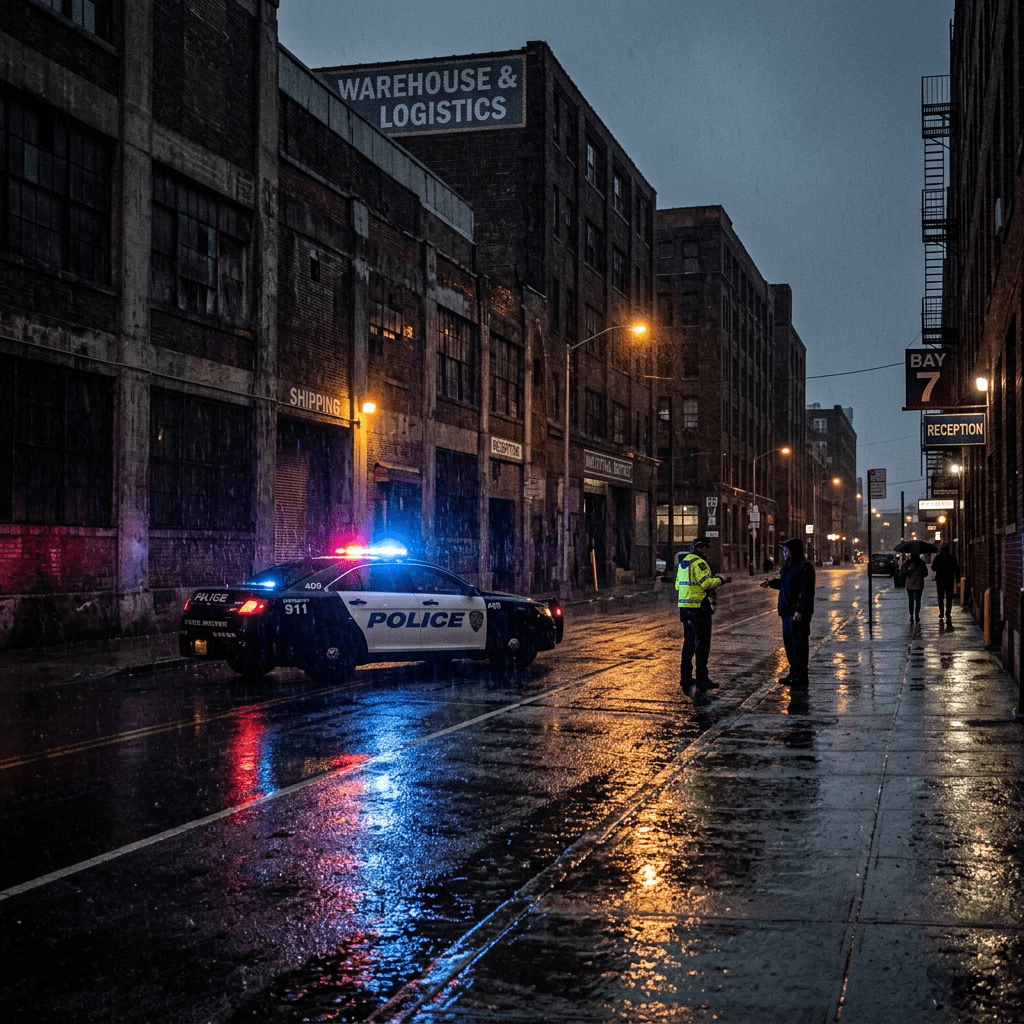
Police officer in reflective jacket speaking with a man on a rainy urban street at night with a police car.

Readers, I am so excited to tell you about this series. It surpassed my expectations. Legends is a British crime drama television series written and created by Neil Forsyth and produced by his Tannadice Pictures production company.

In the face of a surging heroin and cocaine epidemic flooding Britain’s streets during the Thatcher era’s “War on Drugs,” a small team of ordinary Customs and Excise civil servants—airport screeners, clerks, and everyday bureaucrats with zero espionage training—are thrust into the shadows. Their mission: infiltrate some of the country’s most dangerous international drug gangs from the inside. What unfolds is a riveting cat-and-mouse game where the lines between duty, identity, and survival blur dangerously.

The series excels at showing the absurdity and bravery of this real-life operation. These aren’t polished MI6 agents; they’re relatable underdogs risking everything—families, sanity, and lives—for a cause bigger than themselves.

The cast is phenomenal and elevates the material to must-watch status:

  • Steve Coogan delivers one of his strongest dramatic turns as Don, the haunted, world-weary mentor figure assembling and leading the ragtag team. He brings layers of dry wit, quiet intensity, and emotional depth, balancing comic relief with profound gravitas.
  • Tom Burke (as Carter, a dedicated family man) is magnetically intense—his portrayal captures the personal toll of undercover work with raw vulnerability and steely resolve.
  • Supporting players, including Tom Hughes and others in the ensemble, round out a believable crew of misfits. The chemistry crackles, making you genuinely care about these characters’ fates.

The antagonists—ruthless yet charismatic gang figures—are equally well-drawn, adding moral complexity rather than cartoonish villainy.

Forsyth’s writing shines with sharp dialogue, meticulous research, and a perfect mix of tension and levity. The ’90s period detail is impeccable: lived-in fashion, iconic Britpop soundtrack (with some fitting anachronisms that enhance the vibe), gritty London and regional locations, and a palpable sense of bureaucratic chaos meeting street-level danger.

Pacing is deliberate yet propulsive—each episode builds on the last, culminating in a satisfying, high-impact conclusion across the compact season. It’s binge-friendly without feeling rushed, offering moments of quiet reflection amid the adrenaline.

What makes Legends special is its heart. Amid the procedural thrills and undercover intrigue, it explores themes of sacrifice, loyalty, identity erosion, and the human cost of systemic battles like the drug war. It’s thrilling and thoughtful—funny in spots thanks to the unlikely recruits’ fish-out-of-water moments, yet never losing sight of the stakes.

Quite simply, this is must watch tv. Five stars out of five from me. Now start Netflixing.