Disney+’s Alien: Earth Review – Horror Meets Sci-Fi

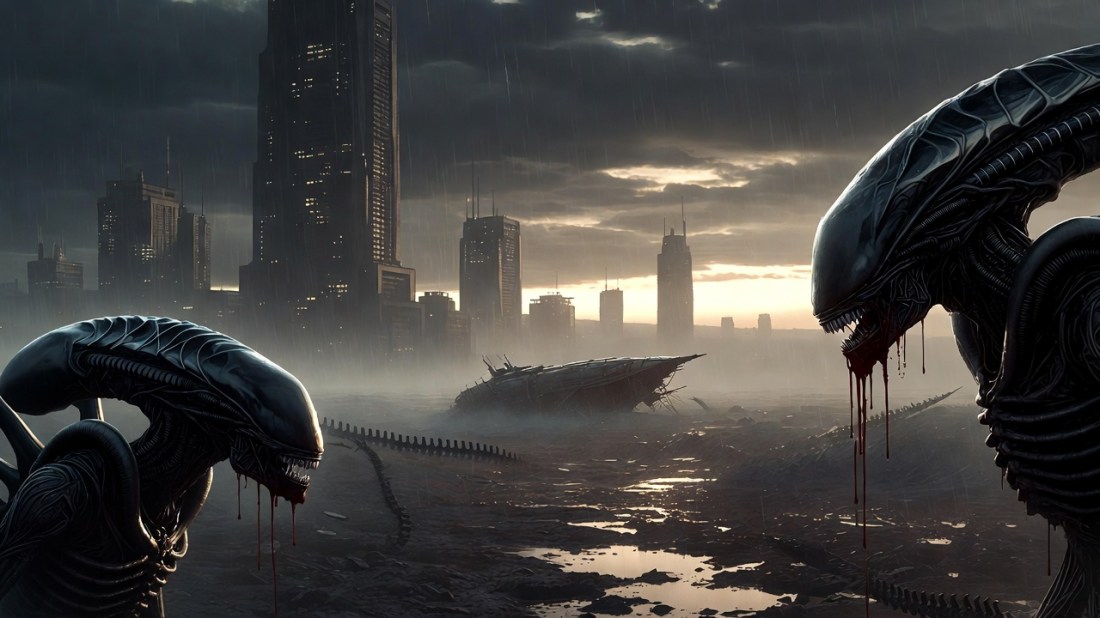
A picture of two menacing looking aliens.

Great news, readers, I recently got access to Disney+ through my Sky subscription. Yay for me! So what to watch? I flicked through what was available and then stopped. Yes, a new series about Aliens, the kind that like to break through your ribs. Happy days! To date, I have watched the first three episodes of the first of what I hope will be many series.

Alien: Earth is an American science fiction horror television series created by Noah Hawley. It is the first television series in the Alien franchise and is set two years before the events of the 1979 film Alien. The series stars Sydney Chandler, Alex Lawther, Essie Davis, Samuel Blenkin, Babou Ceesay, Adarsh Gourav, and Timothy Olyphant in main roles.

Set in 2120, the story unfolds in a dystopian Earth dominated by five mega-corporations, including the ever-sinister Weyland-Yutani. When the deep-space research vessel USCSS Maginot crash-lands, it unleashes horrors that force humanity to confront not only the classic Xenomorph threat but also new, unsettling alien forms and the blurred lines between synthetic life, human consciousness, and corporate exploitation. The premise cleverly weaves in elements reminiscent of Peter Pan (with character names like Wendy, Hermit, Tootles, and Slightly), creating a haunting, almost fairy-tale-like undercurrent amid the body horror and corporate intrigue.

The performances are outstanding across the board. Sydney Chandler delivers a breakout turn as Wendy, the synthetic infused with human consciousness, bringing vulnerability, strength, and quiet menace to a role that could have been one-note. Alex Lawther as Joseph Hermit is magnetic—wry, haunted, and deeply compelling—while Timothy Olyphant’s Kirsh adds layers of authoritative menace that fans of his work will savor. The ensemble, including Essie Davis, Samuel Blenkin, and others, feels lived-in and real, grounding the high-concept sci-fi in human (and post-human) emotion

.Visually, Alien: Earth is a triumph. The production design, practical effects, and CGI blend seamlessly to create some of the most bone-chilling creature sequences ever put on television. The Xenomorphs remain terrifyingly iconic, but Hawley introduces new designs and behaviors that expand the lore without cheapening it. The atmosphere is thick with dread—shadowy corporate towers, rain-slicked wastelands, and claustrophobic crash-site carnage—while the overture-style episode openings (flashing, atonal images set to an unsettling score) are a masterstroke that demands your full attention.

I’m really looking forward to watching the rest of the series and promise to give you all a quick update. So far, four stars out of five from me.

Do you agree?

Let me know in the comments.Don’t forget to subscribe if you haven’t already done so.

Star Trek: Starfleet Academy Review – A New Era of Cadets

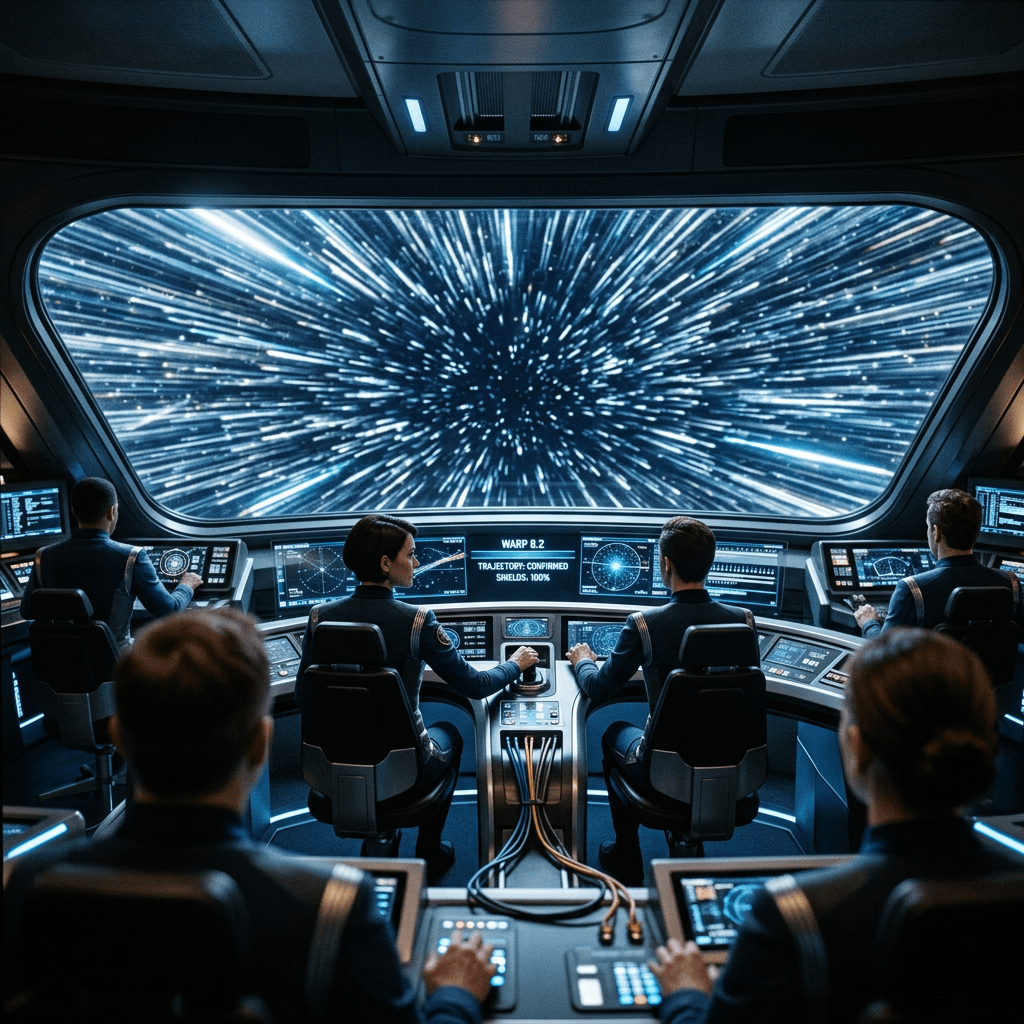
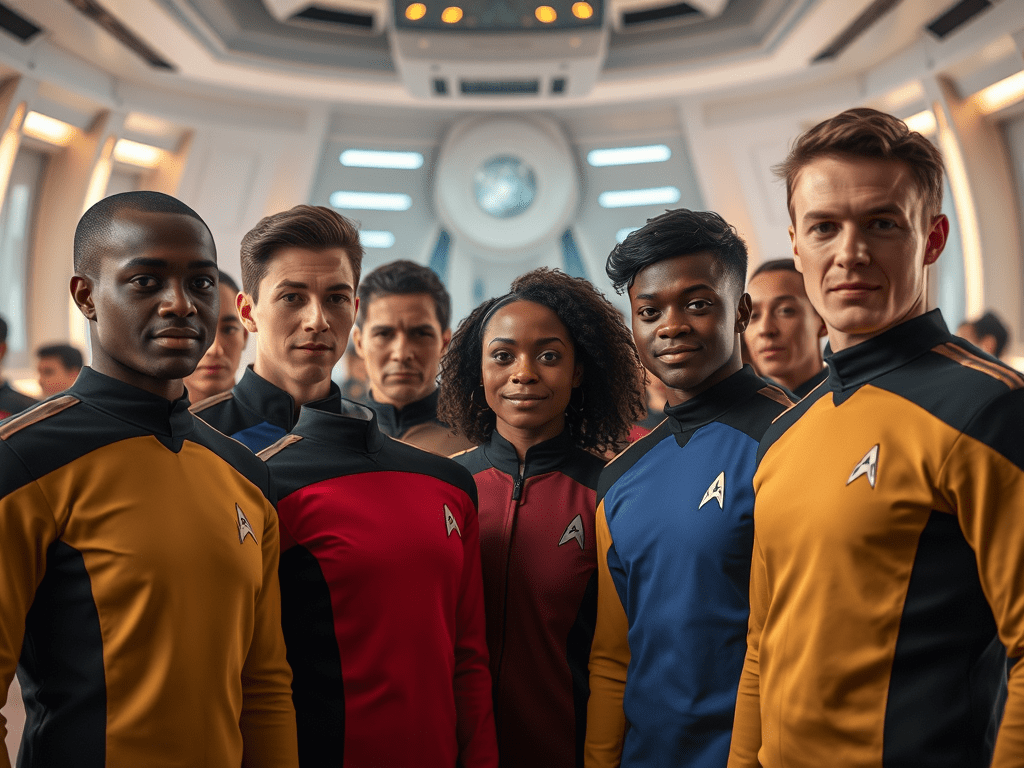
My dear readers, a new Star Trek series is here! Star Trek: Starfleet Academy is the 12th Star Trek series and part of executive producer Alex Kurtzman’s expanded Star Trek Universe. Set in the 32nd century, the far-future time period that was introduced in the later seasons of the series Star Trek: Discovery (2017–2024), Starfleet Academy follows the first new class of Starfleet cadets in over a century as they come of age and train to be officers. This is the period after “The Burn” that almost totally destroyed the Federation

Sandro Rosta, Karim Diané, Kerrice Brooks, George Hawkins, and Bella Shepard portray Starfleet Academy cadets, starring alongside Holly Hunter and Zoë Steiner, as well as Tig Notaro and Oded Fehr, who are reprising their roles from Discovery, and Robert Picardo returning as the character of the Doctor from other previous series.

So far, I’ve only watched the first episode, and I think it will gain traction. From a kind, non-violent Klingon to the first holographic cadet, it could get very interesting. The ensemble cast is introduced with care, giving each character a clear emotional hook without overwhelming the audience. Their interactions feel lived-in and sincere, suggesting long arcs of growth rather than quick archetypes. Importantly, the episode allows vulnerability to coexist with ambition; these cadets are capable and driven, but also uncertain, impulsive, and still figuring out who they want to be. That balance makes their journey immediately compelling.

One of the episode’s greatest strengths is its focus on perspective. By centering the story on cadets at the very beginning of their Starfleet journey, the show reclaims a sense of awe that longtime fans may remember from earlier Trek, while also making that wonder feel fresh. The Academy isn’t just a school—it’s presented as a crucible where personal histories, cultural differences, and ethical ideals collide. The premiere smartly uses this setting to explore what Starfleet represents in a changing galaxy, and why those values still matter.

On a more negative note, I feel the show could do with some eye candy. Most are plain, there is no seven of nine vibes, which I think is a pity.

Overall, the premiere succeeds because it’s hopeful. In a television landscape often dominated by cynicism, Star Trek: Starfleet Academy leans into the idea that learning, empathy, and shared ideals can genuinely shape a better future.

So far, I give the show three stars out of five. I’m looking forward to watching more.

Any other Trekkies out there? Leave a comment.

And don’t forget to subscribe.

A Knight of the Seven Kingdoms: Stunning Visuals and Storytelling

My dear readers, I have currently watched the first three episodes of A Knight of the Seven Kingdoms. It’s a slow burner but it’s growing on me. It is a captivating return to the world of Westeros, offering a refreshing, character-driven story that proves the Game of Thrones universe (it is set one hundred years prior to the last series) still has rich tales left to tell. Rather than relying on massive battles and political spectacle alone, the series shines through its intimacy, emotional depth, and timeless sense of adventure.

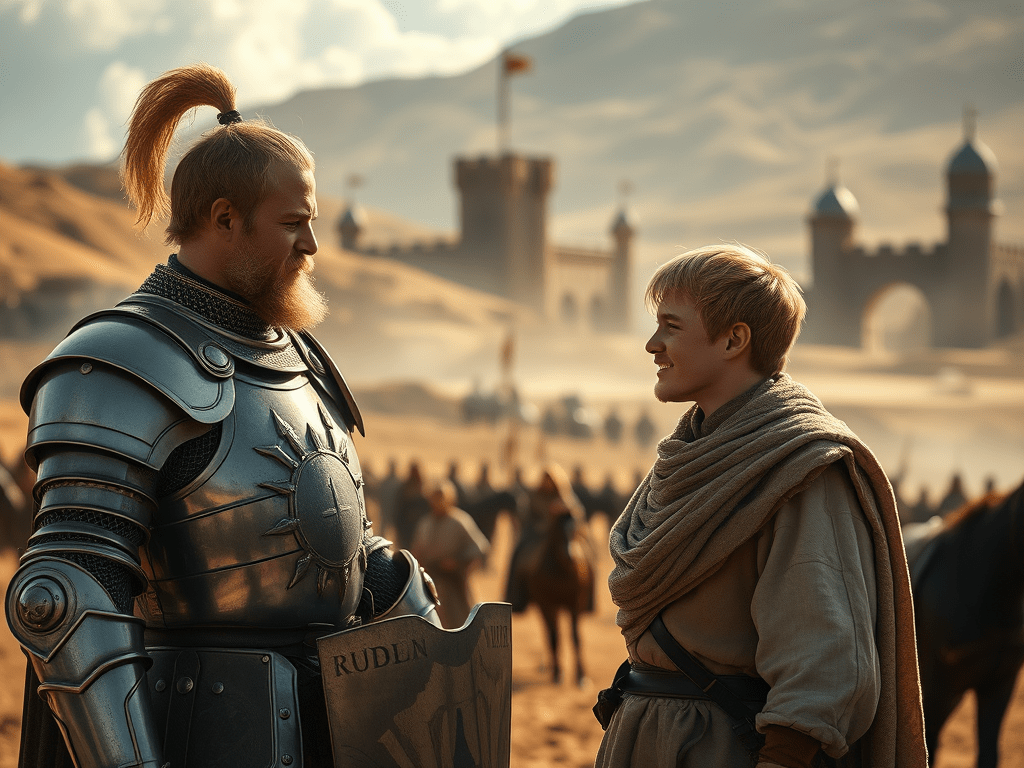
Created by Ira Parker and George RR Martin, it is the third television series in Martin’s A Song of Ice and Fire franchise and is an adaptation of the Tales of Dunk and Egg series of novellas, beginning with The Hedge Knight. It stars Peter Claffey as Ser Duncan “Dunk” the Tall, the titular hedge knight, and Dexter Sol Ansell as his squire Aegon “Egg” Targaryen.

At the heart of the story is the unlikely duo of Ser Duncan the Tall and his sharp-witted squire, Egg. Their relationship is the soul of the series—warm, humorous, and deeply human. Duncan’s sincerity and moral compass contrast beautifully with Egg’s intelligence and hidden nobility, creating a dynamic that feels both authentic and endearing. Watching their bond grow across each episode is as rewarding as any grand plot twist.

Visually, A Knight of the Seven Kingdoms is stunning. The cinematography captures the beauty and brutality of the medieval-inspired landscapes with remarkable detail. From dusty tournament fields to quiet country roads and imposing castles, every setting feels alive and immersive. The production design and costumes further enhance the authenticity of the era, grounding the fantasy in a tangible, believable world. Of particular note, the scenery is from Northern Ireland.

So far, I give it four stars out of five and was happy to hear its getting a second series. I just hope that the ending is better than Game of Thrones.