The Fall of El Mayo: Netflix’s Chilling Sinaloa Cartel Exposé

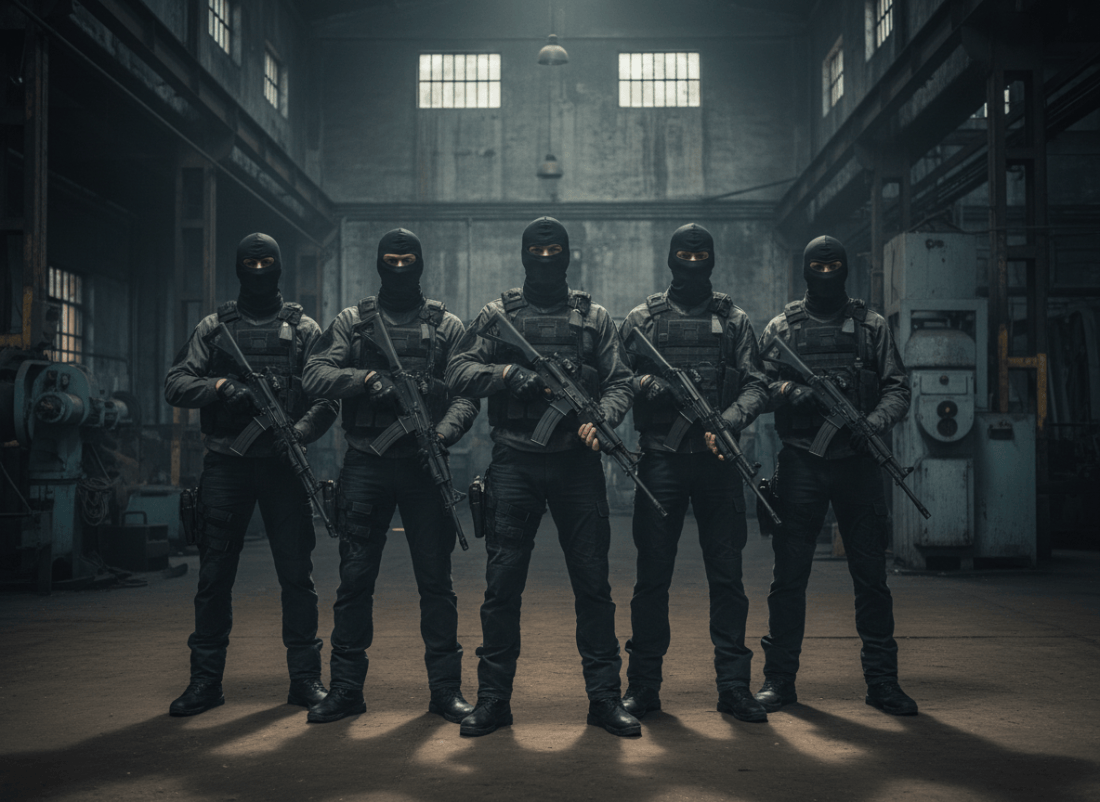
A cinematic, non-graphic editorial photograph of a group of adult men wearing dark balaclavas and holding firearms, standing in a dim industrial setting. Moody, tense atmosphere, documentary realism, no visible injuries, no gore, no logos or identifiable real people.

A documentary about Mexican drug cartels, I just had to watch. The three episodes bring you right up to date with the current position with the disintegration of the Sinaloa cartel. I binge watched the three episodes.

The Fall of El Mayo (original title La Caída de El Mayo) is a Netflix limited documentary series that premiered on October 29, 2026. It reconstructs the rise and sudden downfall of Ismael “El Mayo” Zambada García, the reclusive co-founder of the Sinaloa Cartel and longtime shadowy partner of Joaquín “El Chapo” Guzmán.

For roughly half a century, El Mayo ran one of the world’s most powerful drug trafficking organizations while remaining almost invisible. Unlike the flamboyant El Chapo, who became a global celebrity, Zambada operated from the shadows in Sinaloa with extreme caution—few photographs existed, and almost no recordings of his voice. He survived rivals, partners, and successive Mexican governments without spending a day in prison until July 25, 2024.⁠

On that day he boarded a small plane in Mexico with Joaquín Guzmán López (one of El Chapo’s sons) and landed near El Paso in Santa Teresa, New Mexico, where U.S. authorities arrested him. Zambada claimed he was ambushed and kidnapped at a meeting under false pretenses. The series digs into the conflicting accounts of that flight, the question of who arranged it, and the betrayal that ended his decades-long freedom.

Directed by Emmy- and Peabody-winning filmmaker Darren Foster and Mexican director Miguel Fernández Flores (with Mariana van Zeller as executive producer), the series draws on exclusive interviews with security agents, politicians, journalists, people connected to the cartel, and families affected by the violence, plus previously unseen archival material and hundreds of Mexican and U.S. court records. The directors noted the challenge of documenting a man about whom almost nothing visual or audio existed before his capture.

The three episodes (all released at are):

  • Episode 1: The Man in the Hat — How El Mayo operated as the ghost power behind El Chapo and controlled Sinaloa until betrayal forced him into the open.
  • Episode 2: A Matter of Blood — The capture of his eldest son Vicente (“El Vicentillo”) and the rise of the Chapitos after El Chapo’s fall.
  • Episode 3: Betrayal — Escalating violence, the alleged betrayal that delivered El Mayo to U.S. authorities, and the resulting schism between the Zambada and Guzmán factions.

It also details the horrific violence that affected the local population after his arrest from the infighting that followed and questions if cutting off the head of the snake is really the best tactic. Afterall, many major drug dealers have now been captured over the decades, yet the flow of drugs only increases.

Five stars out of five from me.
Fightland Review: Boxing, Blood Feuds and London’s Dark Underbelly

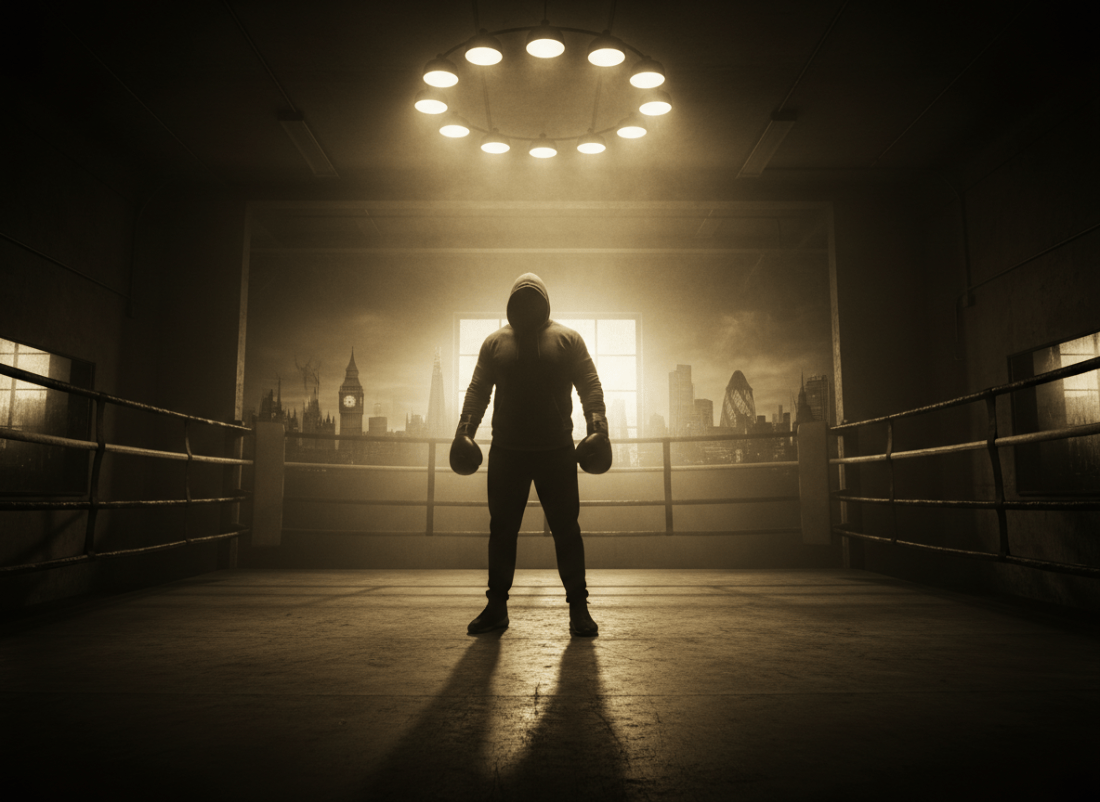
A dramatic, cinematic scene of a lone heavyweight boxer standing in a dimly lit boxing ring in London at night. The fighter wears boxing gloves and a hood, silhouetted against the glow of ring lights. Dark, moody atmosphere with shadows suggesting danger and the London skyline barely visible through a smoky haze in the background. Crime drama aesthetic, high contrast black and dark gold tones.

This is a new series that I’ve just started watching. Fightland is a lean, muscular revenge drama that knows exactly what it wants to be: a bruising collision of the boxing ring and London’s criminal underworld, driven by grief, family fracture, and a champion who has nothing left to lose.

On the night British-born heavyweight Maduka “Duke” Kilroy (Howard Charles) becomes world champion, his brother Calvin is murdered. Duke’s response costs him eight years in a U.S. prison. When he returns to London, he is no longer the golden boy of the sport. He is a man with a plan: get close to the Marshalls — the crime family that once promoted him — and take them apart from the inside to avenge his brother’s death. His former promoter, Kingsley Marshall (Nicholas Pinnock), is the man he believes set him up. Kingsley’s wife Joy (Deborah Ayorinde) is the woman Duke once loved. Their children, Zeek and Cece, are already circling the family business. The setup is classic, but the execution has bite.

Howard Charles is the series’ greatest asset. He plays Duke as a coiled, watchful presence rather than a shouting avenger. The physicality is convincing — you believe he was a champion — but the performance lives in the quieter moments: the way he studies a room, the flicker of old tenderness when Joy appears, the barely contained fury when someone underestimates him. It is the kind of lead turn that holds a pulpy story together and makes you care about the outcome. Nicholas Pinnock, even when not constantly on screen, gives Kingsley a dangerous stillness that lingers. Deborah Ayorinde, Charles Babalola and Anita-Joy Uwajeh give the Marshall family real texture: loyalty, resentment, ambition and the particular strain of growing up in a house where love and power are the same currency.

The boxing world is not window dressing. Gyms, promoters, fighters on the make, and the money that sloshes around title fights feel lived-in. The crime side — drugs, gambling, shifting alliances — sits naturally beside it. London itself is a character: South London streets, late-night venues, the particular mix of glamour and threat that 50 Cent’s G-Unit productions have always liked. Otto Bathurst directing early episodes helps; the action has weight without becoming empty spectacle. When the show throws punches, they land.

What makes Fightland more than a standard revenge yarn is the family mess it keeps circling. Duke is not a lone wolf operating in a vacuum. He is pulling at old relationships, using people who once used him, and discovering that the Marshalls are not a monolith. Zeek’s insecurity, Cece’s sharpness, Joy’s divided loyalties.s.

Fightland is not trying to reinvent British crime drama. It is trying to entertain you while a damaged champion walks back into the life that ruined him. On that score it succeeds. Charles carries it. The Marshalls give him something worth fighting. And Sky Atlantic has another late-night series that punches harder than it needs to.

Too early for a rating but its looking good.