The Magic of Brazil’s 1994 World Cup Team

Soccer match at night with players in red and blue jerseys, illuminated by stadium lights

There was a time when you felt excitement and wonder as a Brazilian team took to the field. They played with flair and imagination that other countries could rarely match.

This 1h 26m Netflix documentary, called USA 94: Brazil’s Return to Glory and directed by Luís Ara, brilliantly captures Brazil’s dramatic journey to their fourth World Cup title in 1994—the moment A Seleção ended a 24-year drought and reclaimed their place among football’s elite.

I remember from the time that this Brazil team was viewed as much more defensive than those of the past. However, they still had that extra bit of magic up front to set them apart.

What sets this film apart is its intimate, insider perspective. Rather than recycling familiar match highlights, Ara weaves in never-before-seen handheld camcorder footage shot by goalkeeper Gilmar Rinaldi and right-back Jorginho during the tournament. These raw, unfiltered clips—showing bus rides, locker-room banter, hotel corridors, and quiet moments of young stars like Romário, Bebeto, Dunga, Branco, Raí, Zinho, and Viola—feel like stepping back in time. You see the players not as legends, but as determined men carrying enormous weight on their shoulders.

The present-day interviews are gold. Captain Dunga’s leadership shines through with quiet intensity, while Romário and Bebeto’s chemistry and reflections add warmth and humor. The film doesn’t shy away from the struggles: the skepticism from fans and media after a poor 1990 World Cup, a tense qualification campaign, and the heavy national grief following the deaths of rising star Dener and national hero Ayrton Senna earlier that year. The dedication of the victory to Senna provides some of the documentary’s most emotional, lump-in-the-throat moments.

The on-pitch drama builds beautifully. From the gritty Round of 16 clash against the USA on Independence Day (which players still call one of their toughest tests), through the knockout stages, to the tense, goalless final against Italy decided by penalties at the Rose Bowl. Italian perspectives from Gianluca Pagliuca and Demetrio Albertini add balance and respect, highlighting the mutual admiration between the sides. The penalty shootout sequence, with Baggio’s missed kick, is edited with genuine suspense.

sually and narratively, the film pulses with energy. The mix of archival footage, player-shot videos, and crisp modern interviews creates an engaging rhythm that feels fresh and personal. It celebrates not just sporting glory but cultural redemption—a nation in mourning finding joy and unity through football.

Well worth a watch. Four stars from me.
Hulk Hogan: A Deep Dive into the Wrestling Legend

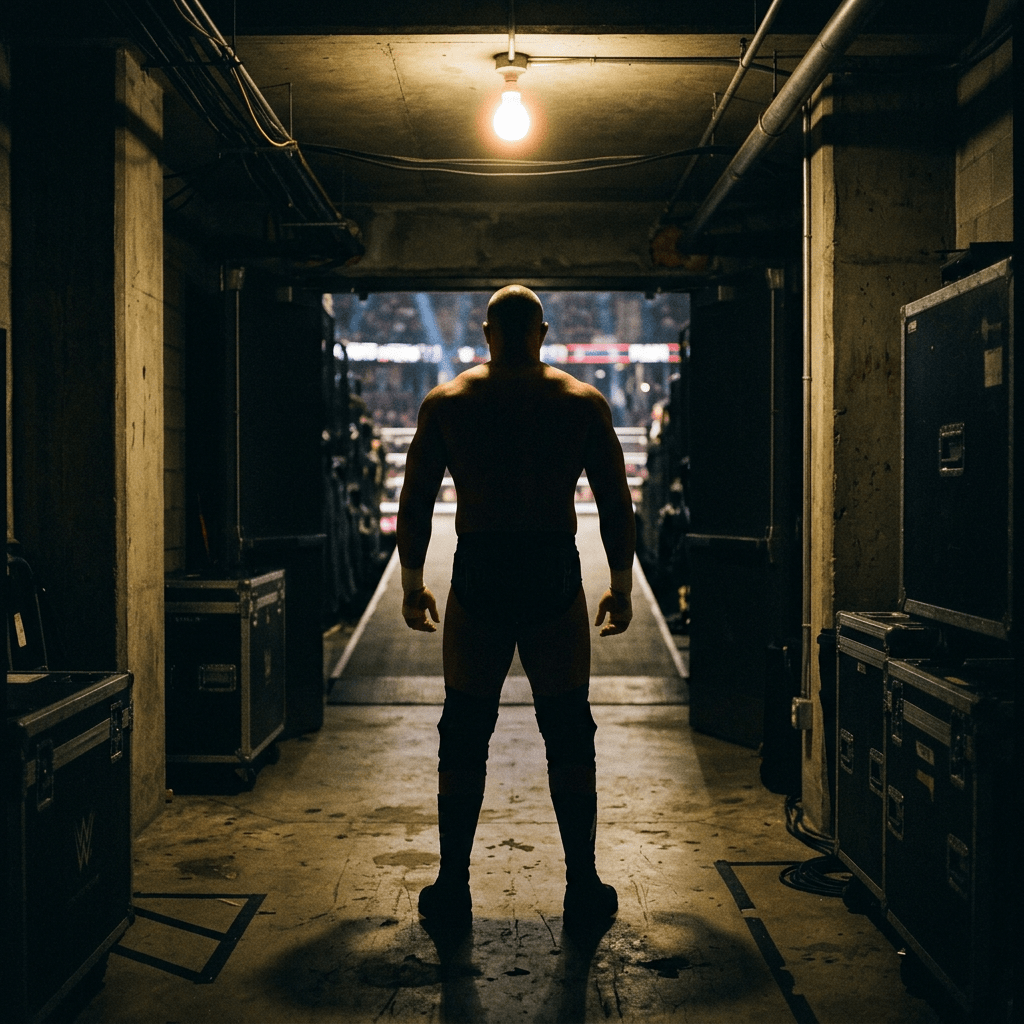
Silhouetted wrestler standing in a backstage corridor facing an arena entrance

I wonder how many of my readers remember the heyday of Hulk Hogan. In truth, I missed the best part of it myself, partly due to being too young and not having cable.

However, I did get to see some of his later years, and what a showman he was! That’s why I decided to give this a watch.

Bryan Storkel’s four-part Netflix docuseries Hulk Hogan: Real American, released shortly after Hulk Hogan’s (Terry Bollea) death in July 2025, aims to peel back the layers of one of wrestling’s most iconic and polarizing figures. Featuring Hogan’s final interviews, it promises an unfiltered look at the man behind the bandana and 24-inch pythons. The result is a nostalgic, WWE-adjacent tribute that delivers plenty of feel-good Hulkamania moments but often pulls its punches on the controversies, resulting in a glossy, uneven portrait.

The series shines brightest when it leans into Hogan’s larger-than-life persona and cultural footprint. Archival footage of early WrestleManias, the body slam heard ’round the world on André the Giant at WrestleMania III, and the explosion of Hulkamania is pure dopamine for ’80s kids. Those segments capture why Hogan transcended wrestling—he wasn’t just a wrestler; he was a marketing machine who helped turn the WWF into a global juggernaut.

Hogan’s charisma still leaps off the screen, even in his later, frailer years. The home movies and personal reflections add a human touch, showing the Florida musician who became a superstar. Moments like his honest (if self-serving) admissions about backstage politics—such as his role in derailing Bret Hart’s push—provide rare glimpses of accountability. Werner Herzog’s cameo offering philosophical musings on reality vs. performance is a weirdly compelling highlight. For fans craving nostalgia, these elements hit hard and deliver emotional payoffs, especially in the context of Hogan’s passing.

Where Hulk Hogan: Real American falters is in its reluctance to truly grapple with the man’s flaws. It’s frequently labeled a “hagiography” or PR exercise—and for good reason. Darker chapters (the Gawker sex tape scandal and leaked racial slurs, family turmoil from Hogan Knows Best, steroid admissions, and political associations) feel rushed, sanitized, or spun in Hogan’s favor. The series avoids deep dives into specifics, omits key voices (notably a full Vince McMahon presence, despite audio clips), and sometimes shifts blame (e.g., scapegoating the reality show for marital issues).

Hogan himself sabotages some redemption arcs by dodging full vulnerability—excuses abound, and raw emotion is shut down quickly. The heavy emphasis on his later-life redemption (faith, third marriage, Trump friendship) comes across as agenda-driven rather than probing. Donald Trump’s appearance feels more like celebrity name-dropping than insightful commentary.

Structurally, the four episodes can feel disjointed, especially the finale, which rushes through the “downfall” era. It celebrates the myth without fully interrogating how the Hulk Hogan persona consumed Terry Bollea, or the physical and personal toll of the wrestling lifestyle that contributed to his health struggles.

Three stars out of five from me.