Uncovering the Truths of Slavery in History

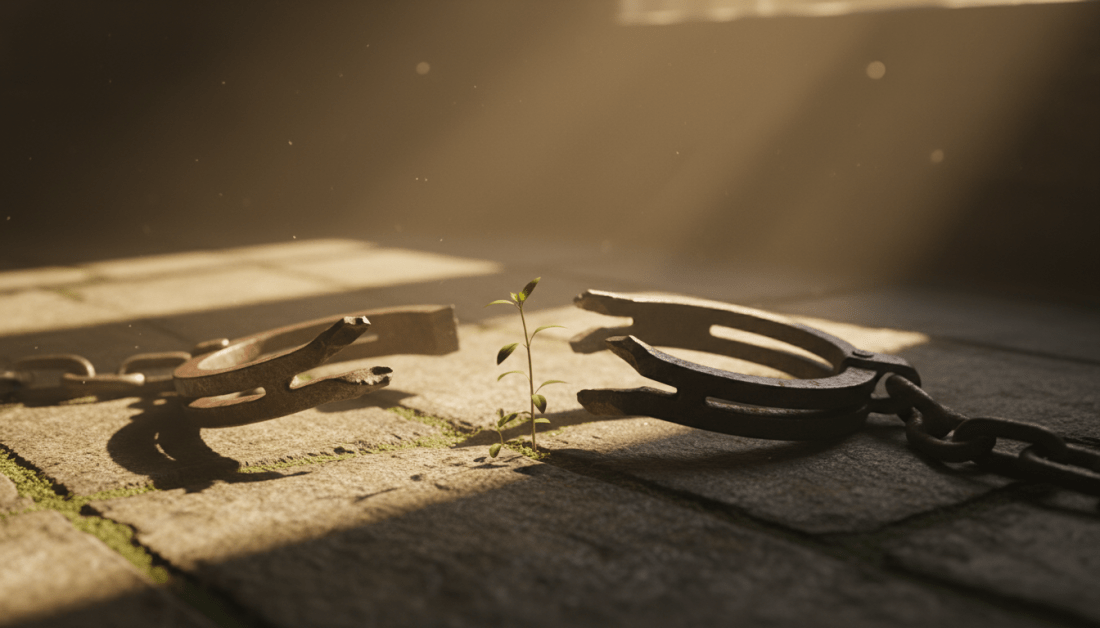
Small green sprout growing between broken rusty iron shackles on a stone floor.

I liked the show about Native Americans so much that I decided to give this one a shot. His promotion included that you won’t have learned this in school. Which is true, but personally, I have learned a lot of it over the years.

Matt Walsh’s A Real History of Slavery is a compelling, no-nonsense documentary that cuts through the one-sided narratives too often presented in modern education and media.

Rather than treating American chattel slavery as an isolated, uniquely evil invention of the West, Walsh provides essential historical context that reveals slavery as a near-universal human institution stretching back thousands of years across virtually every culture and continent.

What stands out most is the film’s willingness to highlight uncomfortable but well-documented truths: African kingdoms actively participated in capturing and selling millions into slavery long before Europeans arrived; the Arab and Islamic slave trades were massive and often far more brutal, including the enslavement of Europeans by Barbary pirates; and the transatlantic trade, while horrific, was dwarfed in scale and duration by other systems, including the East African trade. Walsh doesn’t shy away from these facts—he embraces them to show that slavery was the norm throughout history, not an aberration unique to America or white Europeans.

He draws a parallel between white slavery and indentured servants, pointing out that half died before they were eligible for freedom. However, he skips over the institutionalization of the process for blacks, where if your mother was a slave, you were. This may have happened to some whites, but it was rarer.

The production is crisp, engaging, and accessible, making complex historical realities easy to follow without dumbing them down. Walsh’s straightforward narration avoids sensationalism while delivering a clear message: the story of slavery isn’t simply one of Western guilt, but one of human nature, power, conquest, and—crucially—abolition. The West, particularly Britain and the United States, played a leading role in ending the global slave trade, a moral achievement that deserves far more recognition than it typically receives today.

I give it four stars out of five.

Have you seen it? Let me know in the comments.

If you enjoyed this article, please don’t forget to subscribe.
Challenging Myths: The Real History of Native Americans

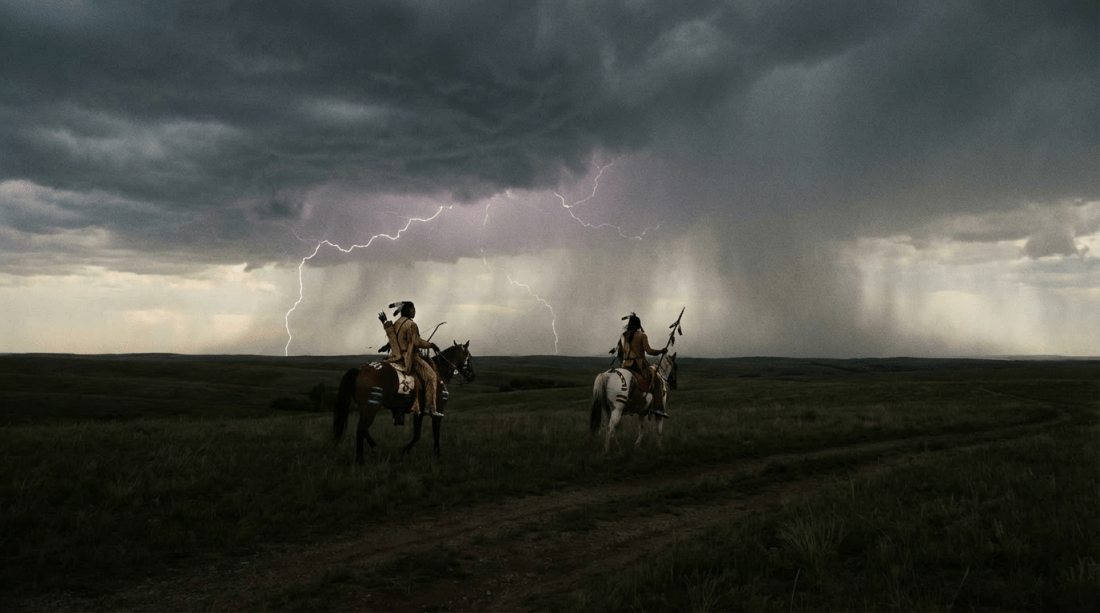
Two cowboys on horseback silhouetted against a dramatic lightning storm on the open plains.

Many of my readers may not be familiar with Matt Walsh. He is a popular right-wing YouTuber from the United States. He is as reviled as he is loved, becoming famous for his opposition to trans ideology, and especially child transitioning, describing it as child abuse.

Here, in an over one-hour-long documentary, he delves into a different contentious topic. Note that I watched it on YouTube. Also available on DailyWire+.

Matt Walsh’s “The Real History of the American Indians” is a bold, refreshing, and much-needed documentary that cuts through decades of romanticized myths and perhaps ideological propaganda. In this episode of his Real History series, Walsh delivers a clear-eyed examination of Native American history that challenges the dominant narrative taught in schools and pushed by Hollywood.

He dismantles the fairytale of universally peaceful, noble “Indians” living in perfect harmony with nature, only to be mercilessly victimized by evil European settlers. Instead, Walsh presents a more complex and historically grounded picture: one where tribes frequently engaged in brutal warfare, conquest, and slavery among themselves long before European arrival, where concepts of land ownership differed sharply from Western traditions, and where conflicts with settlers involved aggression on multiple sides rather than one-sided genocide.

He points out that pre-Civilization violence was horrific and worse on a pro rata basis than modern warfare. No prisoners were taken – everyone apart from pre-adolescents but not babies faced extermination if a battle was lost.

Although not mentioned in the series, this is one of the reasons the African populations boomed after colonization, also. Free from constant war, farmers could grow crops. Similarly, the population of Ireland grew after the arrival of the Vikings, who brought trade and settlements, reducing overall conflict.

What makes this documentary stand out is Walsh’s signature style: sharp, unapologetic, and deeply researched. He doesn’t shy away from uncomfortable truths on any side, but his core strength is exposing how selective storytelling has been weaponized to instill guilt and self-loathing in modern Americans.

Myths like the “smallpox blankets” as deliberate genocide or the idea that the entire continent was “stolen land” with no legitimate settlement are taken apart with logic, primary sources, and straightforward reasoning. The result feels liberating rather than divisive—it’s history as it actually happened, not as activists wish it had.

Visually and structurally, the film is engaging and accessible. Walsh combines narration, historical context, and pointed takedowns of mainstream shibboleths without descending into dry lecturing. Viewers come away better informed about the realities of pre-Columbian societies, intertribal conflicts, the challenges of assimilation and reservation systems, and the genuine progress that Western civilization brought to the continent. It’s a strong antidote to the guilt-tripping versions of American history that dominate today. If you’re tired of sanitized, agenda-driven accounts that treat Native Americans as cartoonish victims or infallible environmental saints, this documentary is essential viewing. Walsh does what great historians should: he tells the raw, unfiltered truth that sets the record straight and helps us understand our shared past without the self-flagellation.

Four stars out of five from me.

Have you seen it? What did you think? Let me know in the comments.

Also, don’t forget to subscribe.