The Fall of El Mayo: Netflix’s Chilling Sinaloa Cartel Exposé

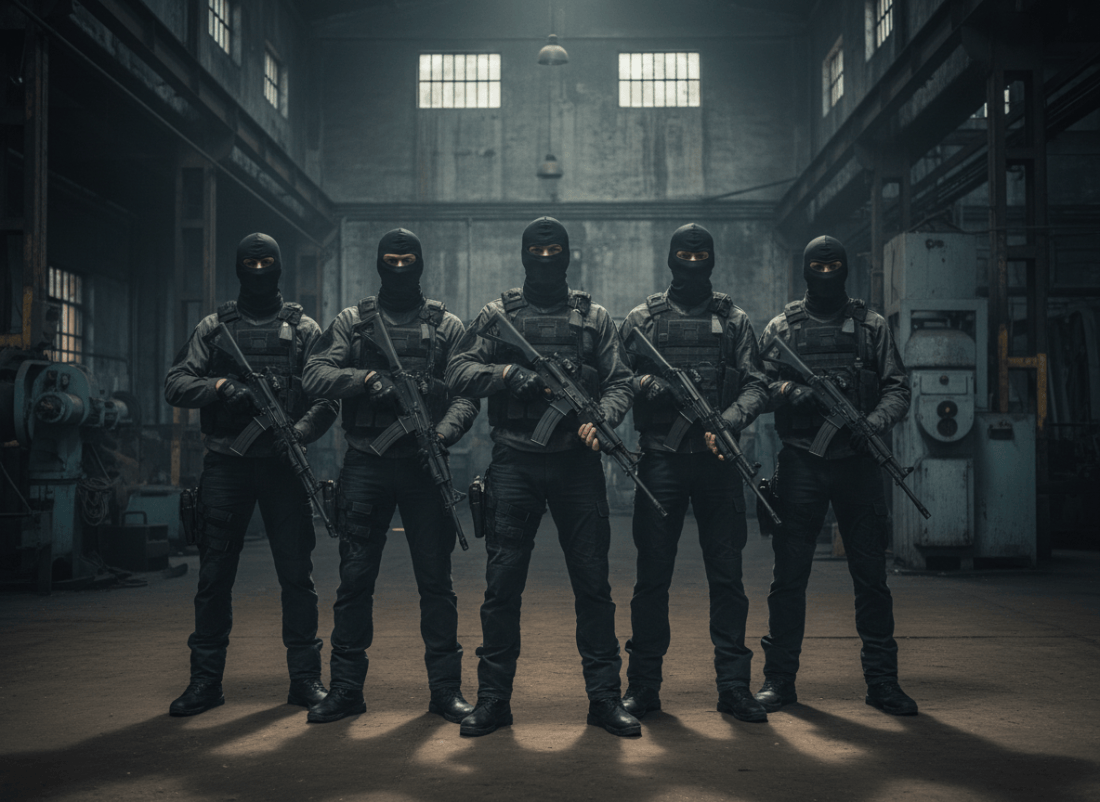
A cinematic, non-graphic editorial photograph of a group of adult men wearing dark balaclavas and holding firearms, standing in a dim industrial setting. Moody, tense atmosphere, documentary realism, no visible injuries, no gore, no logos or identifiable real people.

A documentary about Mexican drug cartels, I just had to watch. The three episodes bring you right up to date with the current position with the disintegration of the Sinaloa cartel. I binge watched the three episodes.

The Fall of El Mayo (original title La Caída de El Mayo) is a Netflix limited documentary series that premiered on October 29, 2026. It reconstructs the rise and sudden downfall of Ismael “El Mayo” Zambada García, the reclusive co-founder of the Sinaloa Cartel and longtime shadowy partner of Joaquín “El Chapo” Guzmán.

For roughly half a century, El Mayo ran one of the world’s most powerful drug trafficking organizations while remaining almost invisible. Unlike the flamboyant El Chapo, who became a global celebrity, Zambada operated from the shadows in Sinaloa with extreme caution—few photographs existed, and almost no recordings of his voice. He survived rivals, partners, and successive Mexican governments without spending a day in prison until July 25, 2024.⁠

On that day he boarded a small plane in Mexico with Joaquín Guzmán López (one of El Chapo’s sons) and landed near El Paso in Santa Teresa, New Mexico, where U.S. authorities arrested him. Zambada claimed he was ambushed and kidnapped at a meeting under false pretenses. The series digs into the conflicting accounts of that flight, the question of who arranged it, and the betrayal that ended his decades-long freedom.

Directed by Emmy- and Peabody-winning filmmaker Darren Foster and Mexican director Miguel Fernández Flores (with Mariana van Zeller as executive producer), the series draws on exclusive interviews with security agents, politicians, journalists, people connected to the cartel, and families affected by the violence, plus previously unseen archival material and hundreds of Mexican and U.S. court records. The directors noted the challenge of documenting a man about whom almost nothing visual or audio existed before his capture.

The three episodes (all released at are):

  • Episode 1: The Man in the Hat — How El Mayo operated as the ghost power behind El Chapo and controlled Sinaloa until betrayal forced him into the open.
  • Episode 2: A Matter of Blood — The capture of his eldest son Vicente (“El Vicentillo”) and the rise of the Chapitos after El Chapo’s fall.
  • Episode 3: Betrayal — Escalating violence, the alleged betrayal that delivered El Mayo to U.S. authorities, and the resulting schism between the Zambada and Guzmán factions.

It also details the horrific violence that affected the local population after his arrest from the infighting that followed and questions if cutting off the head of the snake is really the best tactic. Afterall, many major drug dealers have now been captured over the decades, yet the flow of drugs only increases.

Five stars out of five from me.

Big Chicken: A Fast Food Conspiracy Review

Interior of a poultry farm with rows of white chickens and yellow feeders

I watched an interesting documentary yesterday. Beware, though; it might put you off your chicken for good.

Big Chicken: A Fast Food Conspiracy is an engaging, thought-provoking, and highly watchable Netflix documentary that smartly blends personal experiment, cultural insight, and industry investigation. Released in 2026 and directed by Liana Stewart (produced by Mindhouse), the film follows British comedian and BAFTA winner Mo Gilligan as he embarks on a bold 28-day challenge: eating nothing but fast-food fried chicken for breakfast, lunch, and dinner—84 meals in total—while traveling from South London to key spots across the United States. What begins as a playful, self-aware love letter to his favorite comfort food evolves into a compelling examination of the historical roots of fried chicken, the massive industrial forces behind its global popularity, and the real impacts on health, communities, the environment, and culture.

Gilligan is an inspired and charismatic host. His warmth, humor, and genuine curiosity make the material accessible and relatable rather than preachy. As a Black British comedian with a clear personal connection to chicken-shop culture, he brings authenticity and emotional honesty—openly sharing both his enthusiasm at the start and the physical and mental toll the experiment takes (weight gain, sluggishness, mood changes, and digestive issues). You can see him physically deteriorate on camera over the course of the show. This personal stake grounds the bigger themes and helps the film speak effectively to a broad audience, including younger viewers who might not otherwise seek out food-industry documentaries. It feels like a fresh, Gen-Z-friendly update to the Super Size Me formula, infused with Gilligan’s likable energy and comic timing.

The documentary covers substantial ground effectively. It traces fried chicken’s origins and cultural significance (including confronting racist stereotypes and examining marketing and appropriation), explores how modern industrial breeding prioritizes rapid growth over flavor and welfare, highlights the role of ultra-processed foods and additives, and looks at broader societal effects such as food deserts, targeted marketing in lower-income communities, labor conditions in processing, and environmental consequences of large-scale poultry farming. Journeys through places like Houston, New Orleans, Chicago, and Arkansas, along with conversations with experts, activists, and others, keep the pacing dynamic and the revelations impactful without overwhelming the narrative.

At roughly 96 minutes, the film is tightly assembled and slickly produced. It balances the gonzo personal experiment with travelogue elements and investigative threads, using Gilligan’s reactions and vulnerability to humanize statistics and systemic issues. It successfully sparks curiosity about food origins and encourages more informed choices without demanding absolute purity or lecturing viewers. Many will leave thinking differently about their next takeaway order while still appreciating the cultural joy and social role the food holds for many people. Overall, Big Chicken: A Fast Food Conspiracy succeeds as entertaining, enlightening viewing. Gilligan’s charm carries the personal story, the scope of the investigation is ambitious and relevant, and the result is a documentary that informs, challenges assumptions, and remains enjoyable throughout.

Four stars out of five from me. Not to be watched before dinner.